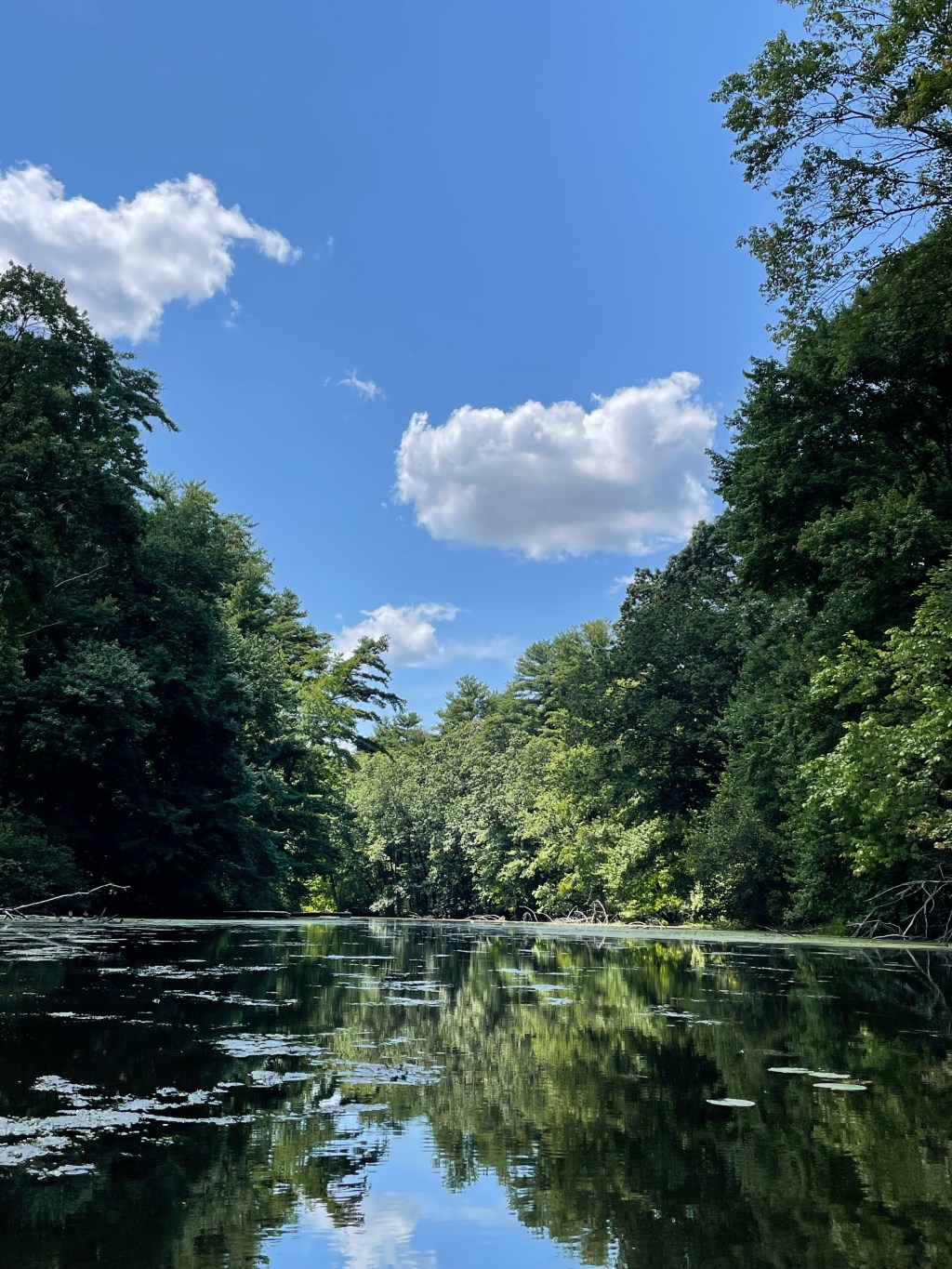
Many of us are quickly distracted by the whirlwind of chaos that engulfs society every day. From political turmoil to social media brain rot, from stale corporate jobs to the expectations of immediate communication – we have all succumbed, in one way or another, to the chaotic grasp of human civilization. All of this could cease to exist tomorrow, and the earth would keep on spinning. We are so eager to forget what is truly important and how beautiful the world is around us.
APM Research Lab conducted a survey in 2019 involving 1000 US adults. It found that 73% of people spend free time in nature once a week or less. Additionally, 31% do it less than once a month or never. The biggest factor that they reported preventing them from going outside was their job. The second largest factor was: “nothing keeps me from going outside more”.
We have developed a culture that distracts us from the natural world and encourages us to stray from it. We have developed an attitude of neglect toward earth. We lack appreciation for what provides us the necessities we need as a species to simply exist.
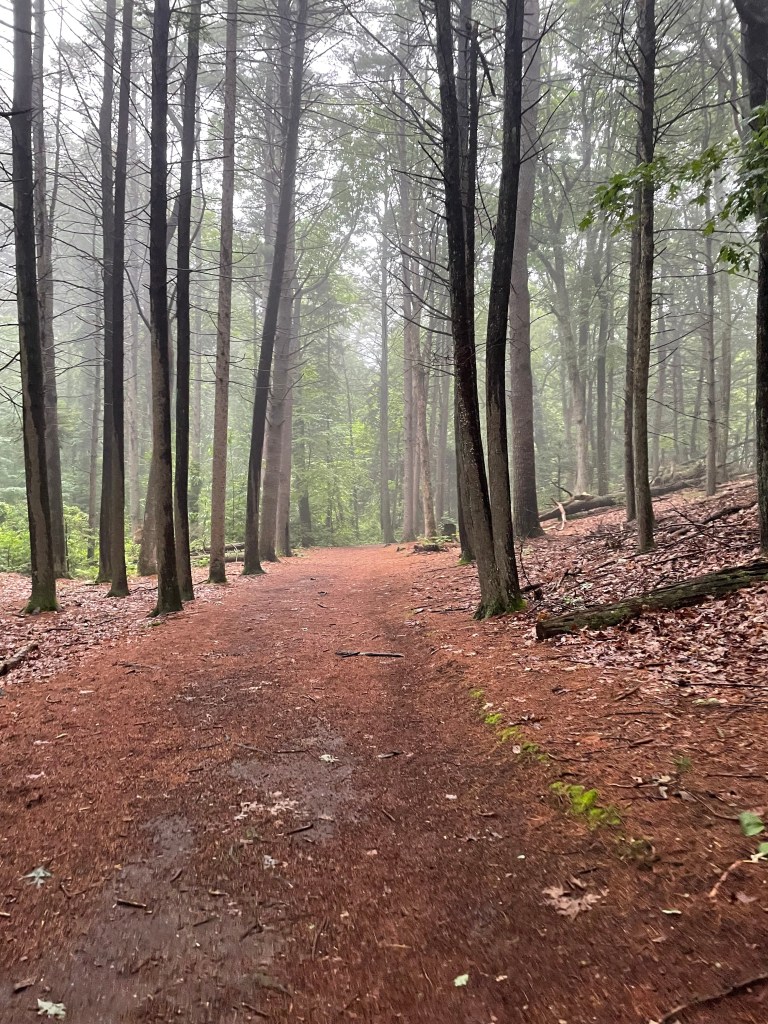
Nature withstands the test of time, and even more challenging; the test of mankind. This blog aims to bring back a deeper appreciation for the diverse environments and different realms of existence that can be found just by stepping outside. Nature circumvents the illusion that our society has perpetuated onto us all. It remedies our minds, bodies and souls, it connects us to an eternal cycle of energy, it is consistently evident of intertwined apparatuses of intelligent design, and even offers a lense into altered realities from our own. Whether its a walk in the park, an open field, the woods or the beach, it’s important to spend time in the real world.
Health Benefits of Nature
Physical Health:
- Spending time in nature requires some sort of physical activity, which improves cardiovascular health, lowers blood pressure, and reduces the risk of heart disease.
- Natural sunlight exposure assists your body in maintaining its natural circadian rhythm, which results in a healthier sleep schedule and better quality sleep.
- Additionally, sunlight grants us higher vitamin D levels, resulting in a stronger immune system, healthier bones, and better blood health.
- Activity outdoors also improves cortisol levels, alleviating stress, and relieves muscle tension.
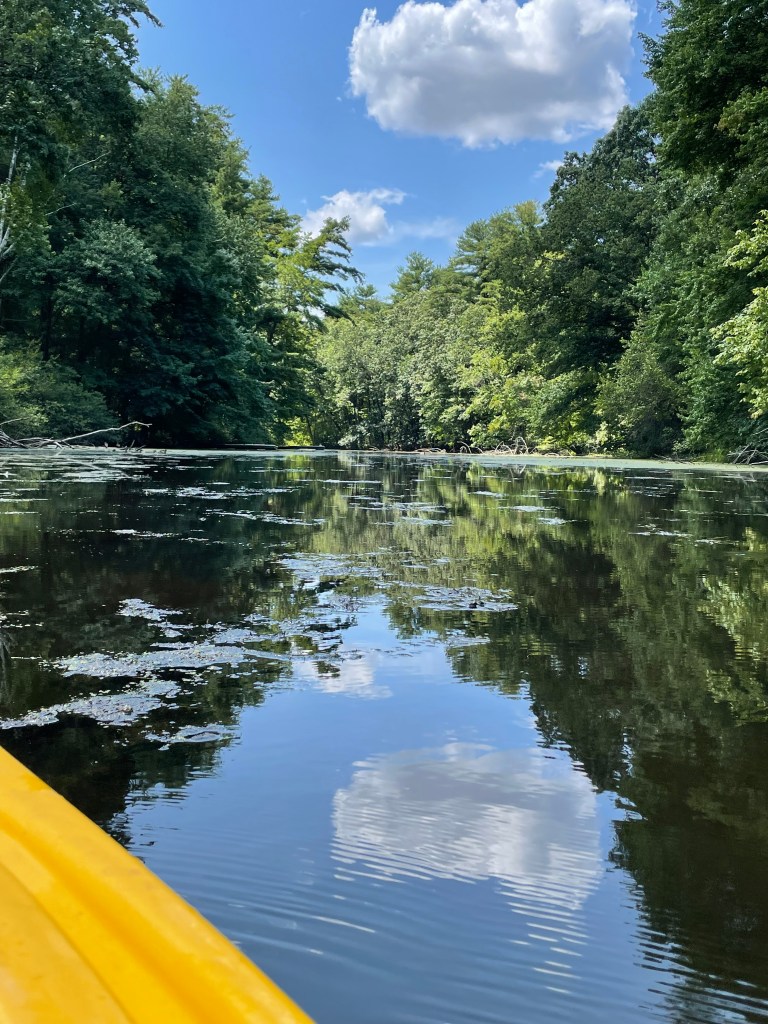
Mental Health:
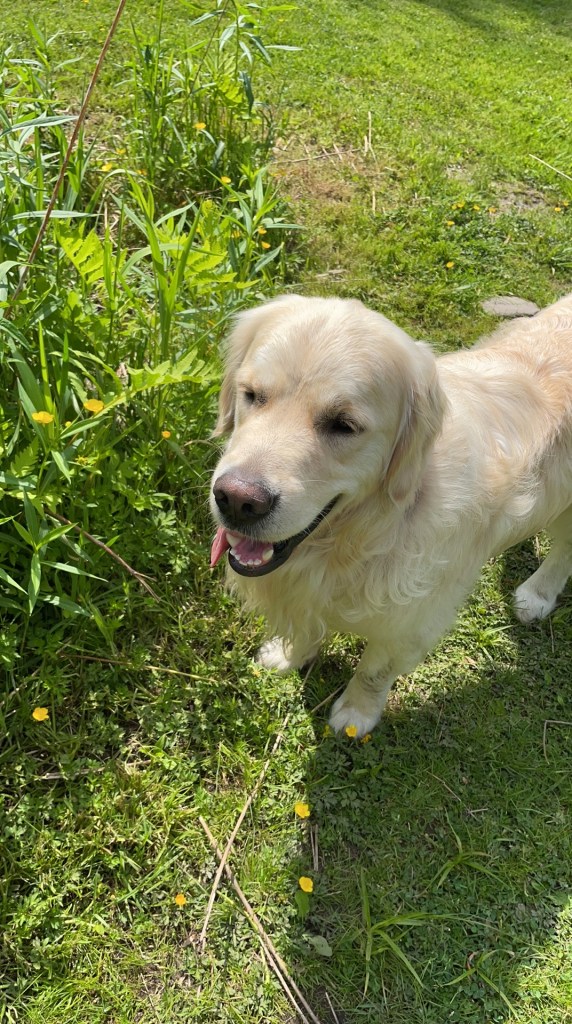
- Nature reduces risks and alleviates symptoms of conditions like anxiety and depression.
- It enhances cognitive function, improving attention and concentration.
- Natural sunlight, fresh air, and time spent around flora and fauna are shown to improve mood and outlook on life.
- Children who spend more time in nature have been found to have a lower risk of mental health disorders later in life.
- Nature can bring humans together through social activities in parks, hiking trails, etc.
Spiritual Health:
- Observing the intelligent design of each ecosystem, and the organisms, within can bring us closer to our Creator.
- A sense of belonging and matter comes with feelings of connection to nature. “Grounding” (taking one’s shoes off and standing in grass or dirt barefoot) has been proven to be a meditative method to experience a better connection to the environment around you.
- Sunlight and non-polluted oxygen fill us with energy and release endorphins.
- The physical world operates in an eternal energy cycle we will always be a part of – nature reconnects us with that.
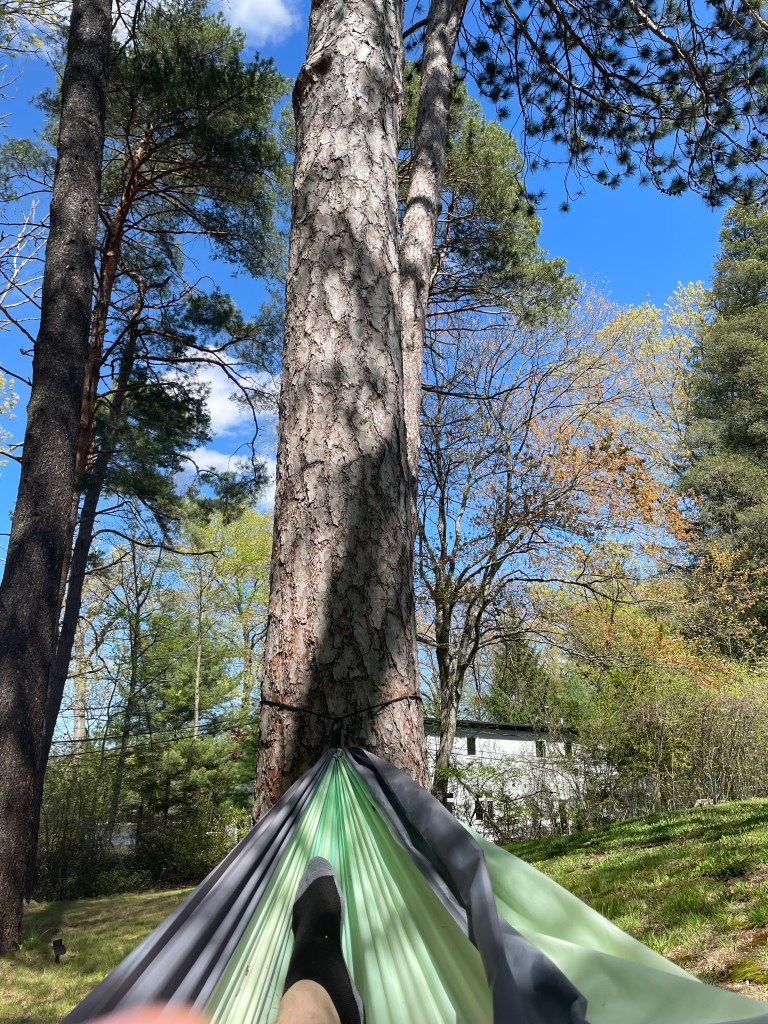
New Perspectives
Umwelt – the world as it is experienced by a particular organism (according to Oxford dictionary).
Umwelt/Umwelten is a term I recently familiarized myself with during my reading of “An Immense World” by Ed Yong. It was introduced back in 1909 by zoologist Jakob von Uexküll. The term refers to how an organism perceives the world, based on that organism’s own experiences, senses, and thoughts. As humans, we are able to use our reason, rational thought, and imagination to attempt to conceptualize this phenomenon. We often fall short because we cannot imagine what it is like to have another species’ unique experiences and senses. This concept is something that helped inspire this blog as it shows how complex a species can be. Without the intricacy of each animal’s capabilities and adaptations, our ecosystems would not work.
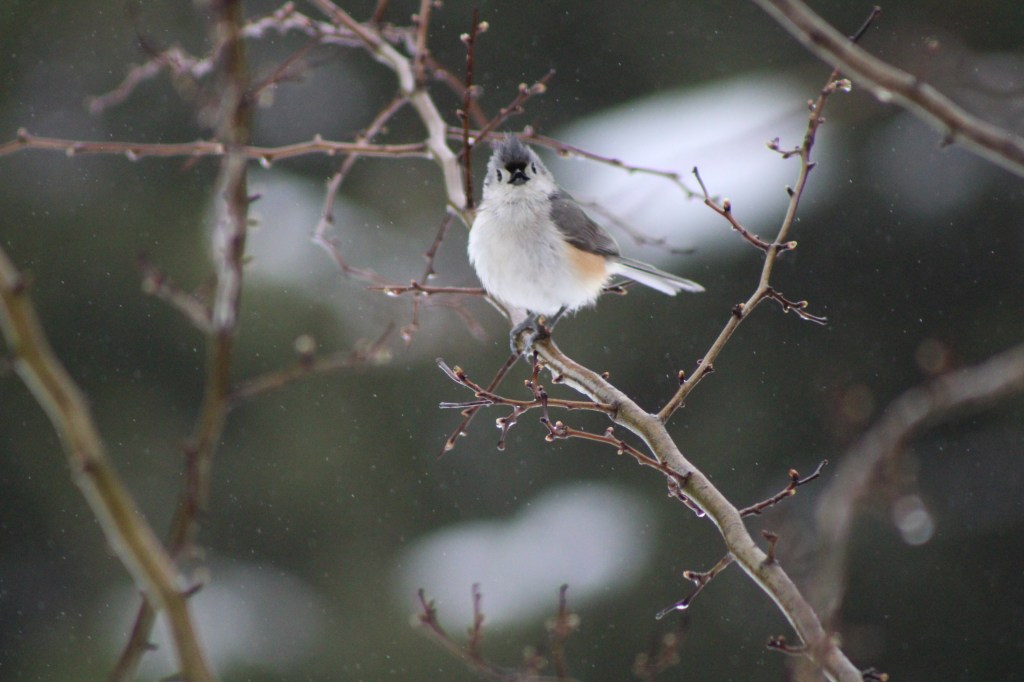
Take this tufted titmouse for example. Birds like this have tetrachromatic vision. This enables them to see colors beyond our capacity to imagine, and is important for choosing mates and hunting prey. They also have specialized vocal organs to produce their unique songs.
Many frogs have infrared vision to see heat and sense chemicals in the air in order to detect predators. Coyotes’ senses are much more heightened than ours. They can hear higher frequencies over longer distances. Their sight is optimized for night vision. Their sense of smell is over ten times stronger than our own. All of which are used to navigate their environment and hunt prey over long distances and time periods.
Every species around us sheds a different, fascinating perception into our world. The world works in many different ways than that of human civilization. Even at this point in our journey as a species, the “umwelt” of humans who have never experienced our technology and society is so drastically different from ours that governments had to make laws preventing people from going there. (Look up North Sentinel Island, for example.)
These people have seen our technology and destroyed it. Although that is an extreme concept, I think it could symbolize something greater. We were not created to be caged in office buildings with artificial lighting and staring at screens for the majority of our lives. Everything we need to survive can be found naturally, yet we have given all the value and attention to what is artificial. What is fake has become real, and what is real has been pushed aside for what is fake. We shouldn’t throw away everything we have become. Yet, I believe we should at least find a deeper appreciation for what is real, especially with what can be found right outside your window.
Resources Cited
- “How Often Do Americans Spend Free Time in Nature?” APM Research Lab, The Water Main, 7 July 2019, http://www.apmresearchlab.org/nature.
- Yong, Ed. An Immense World: How Animal Senses Reveal the Hidden Realms around Us. Random House, 2023.
- “Tufted Titmouse.” American Bird Conservancy, 3 Sept. 2020, abcbirds.org/bird/tufted-titmouse/.
- “3 Ways Getting Outside into Nature Helps Improve Your Health.” UC Davis Health, UC Davis Health, 27 Nov. 2024, health.ucdavis.edu/blog/cultivating-health/3-ways-getting-outside-into-nature-helps-improve-your-health/2023/05.

 Our Backyard Universe
Leave a reply to PookieBear Cancel reply