Our Backyard Universe

Bringing light to the magic of nature in our own backyard

  • What makes a teacher great?

    The greatest teachers allow failure, but provide all the instruments for success. They encourage curiosity and face any consequences with their pupils. They lead with patience to sharpen the youth. They allow freedom to explore all possibilities but will guide you back to the truth.

    All of such teachings have been engrained in the systematic creation of the natural world around us. Nature has been our teacher since the dawn of time.

    It has given us the means to survive but disciplines our failures harshly. It is deluged with lessons and specimen to study and interact with. Its patience with our naive minds has given us the time we need to develop.

    The systematic curriculum of nature grants us the freedom to explore but ultimately brings us back to the Truth. Even as we divulge into the mysteries of the cosmos nature will always be there to guide us.

    Nature is our great and ancient teacher. It has humbly shown us the way.

  • Fearless & Unfazed:

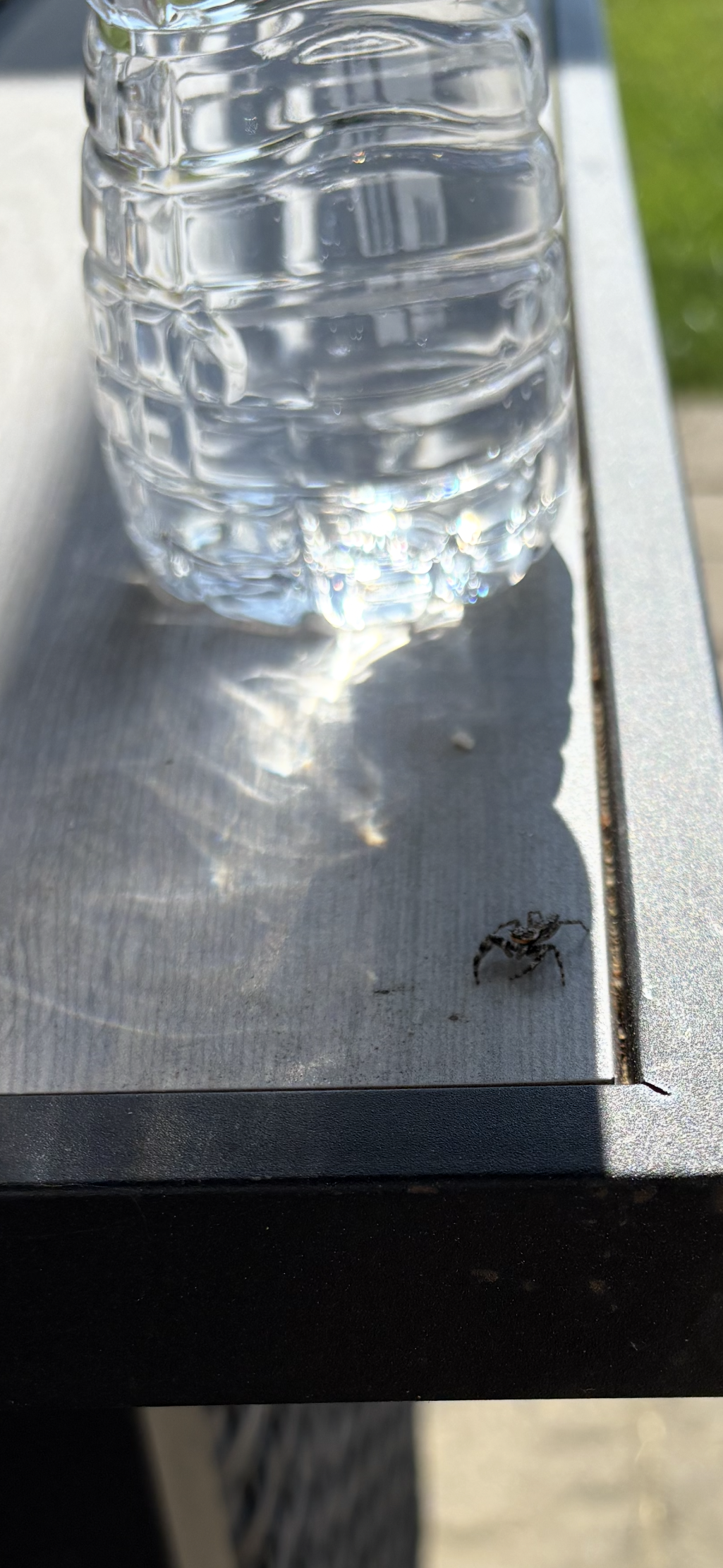
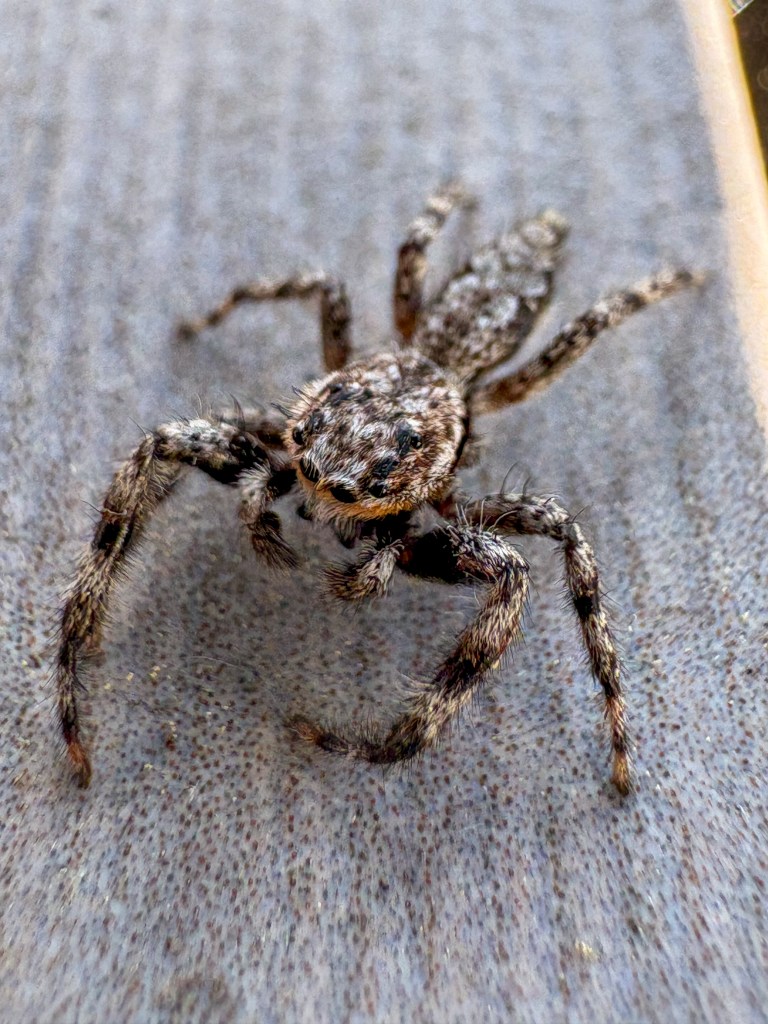
    Sitting on the patio, enjoying a hot summer sun, I reached for my bottle of water and noticed this guy. This arachnid had crawled up to the edge of the table and sat there, watching me. When I put the bottle down he scurried over to it. He examined the massive standpipe and began to trek up the side. It appeared he enjoyed the translucency of the cooled walls and admired the distortion on the other side.

    The bold spider surprised me even further. Clinging to the surface as I picked up the bottle again, he was not bewildered by me. In fact, I had to nudge him off with my finger, and even then I was met with his resistance.

    It’s fascinating that a tiny creature like this jumping spider lacks any fear from a monstrous animal like a human. Arachnophobia hinders many of us from realizing that spiders like this actually enjoys coexisting with us.

    Jumping spiders are known for their natural curiosity, especially towards humans. When they are not living on a sunny plant, they co-inhabit our spaces. Living on vertical spaces, like walls and ceilings, they use artificial light to help them hunt. Although they do not spin webs, they will use silk to help with molting, laying eggs and taking a rest.

    Super Powers

    These diurnal hunters have otherworldly athletic abilities that often get overlooked because of their size. Jumping spiders can leap anywhere from ten to fifty times their own body length, a feat that would only make sense coming from a comic book hero. And while this distance is impressive, how they jump is just as compelling.

    Like a well-oiled machine, these spiders possess a built in hydraulic system in their legs. The spider rapidly increases its blood pressure in the legs, then extends and flings itself through the sky. Leaping such grand distances requires accuracy and highly-tuned depth perception, which is supplemented by their impeccable vision. Lastly, to remain in control of these extreme stunts, they will use a silk line to stabilize themselves, just in case they miscalculate. But even in crash landing scenarios, the spiders’ exoskeletons prevents any harm.

    As mentioned before, these spiders are diurnal hunters, meaning they go about this activity during the day time. Using its massive leap, it will intercept prey and subdue it with a venomous bite. The prey, consisting of various small insects, has no chance of hiding due to the spiders’ near 360 degree vision. Whether you’re a meal worm crawling on the ground of a fly zooming through the air, you are in jeopardy of becoming a jumping spiders next victim.

    Super Heroes Need Love Too

    Life is not just about food. When looking for a mate, male jumping spiders attract the ladies through a series of dances and vibrations. After a pair is formed the female might decide that her judgment was off and ends up attacking or resisting the sperm transfer. Even after the male transfers sperm, the female can store it and take another males sperm. This is to decide at a later date which sperm she would like to use.

    Like many arachnids, jumping spiders will molt their skin about 5-9 times throughout their life, eventually stopping when fully grown.

    It’s safe to say these creatures would be an apex predator if they weren’t nerfed in size. From leaping great distances in a single bound to a hulk-like durability; the super-powers of Platycryptus undatus are a marvel to behold.

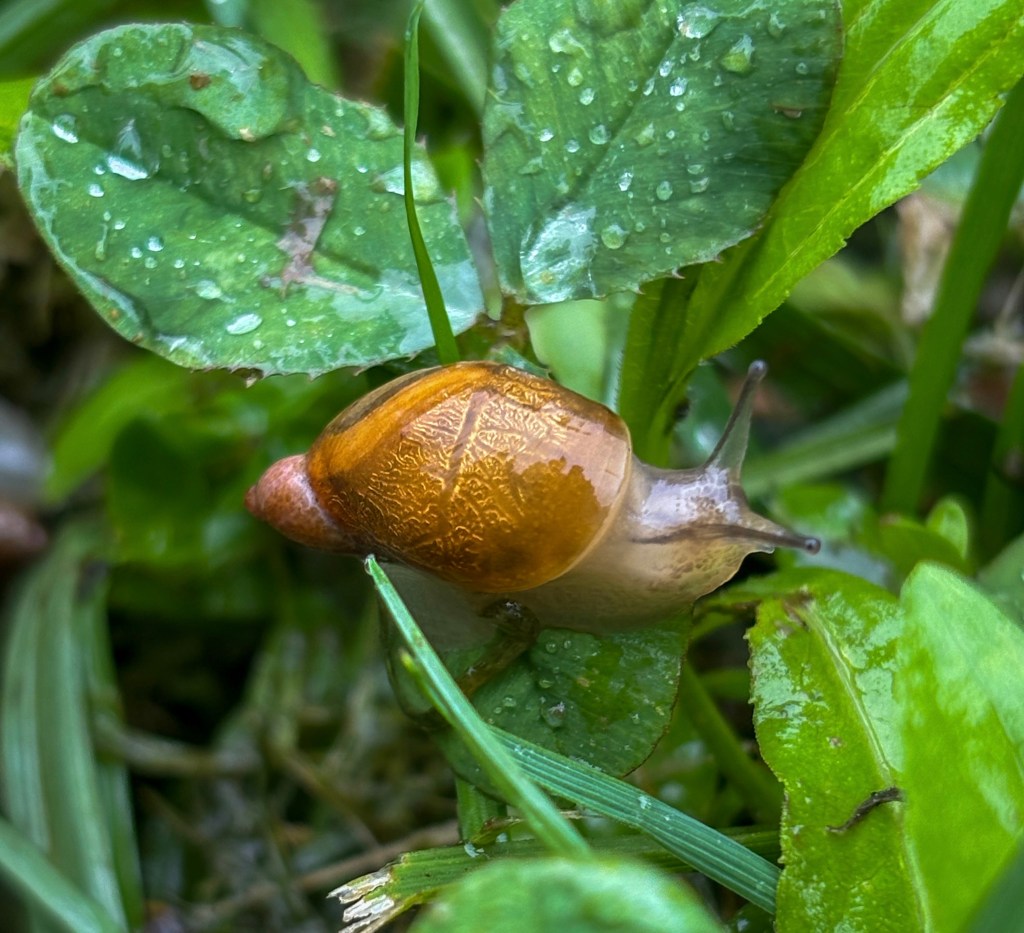
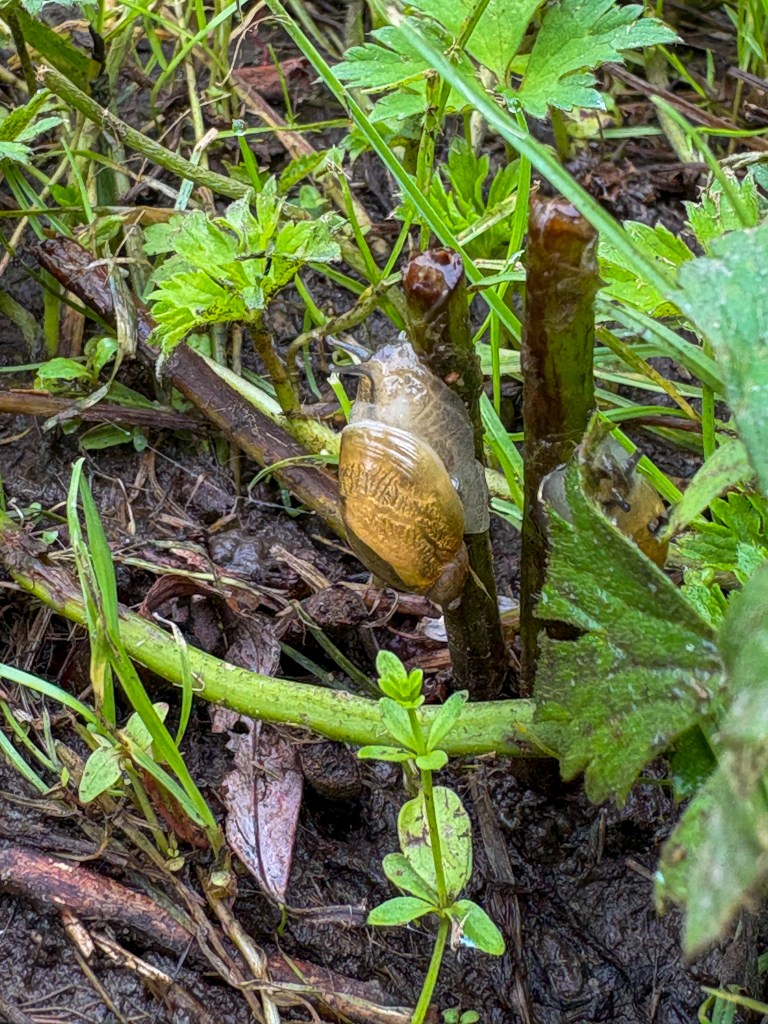
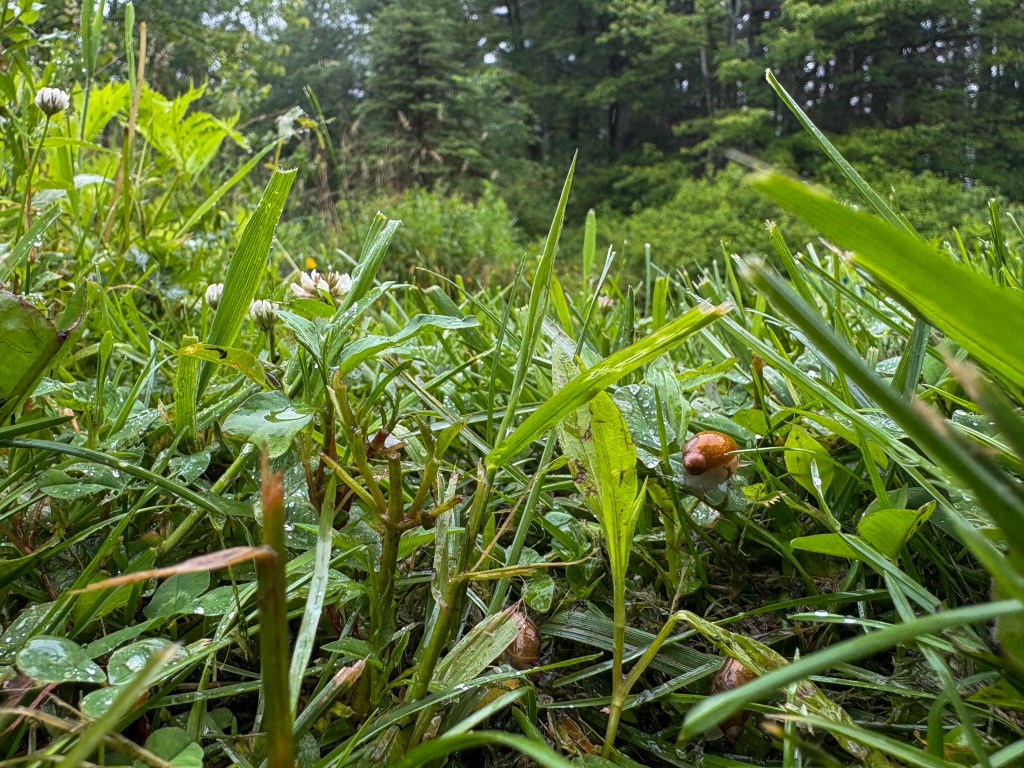
  • Many folks see a snail and are repulsed by their slimy bodies and unconventional appearance. Although, looking a little closer will uncover a fascinating species that is quickly overlooked.

    Anatomic Composition

    Snails have a complex anatomy and are comprised of organ systems that deviate substantially in regards to most animals. Like other gastropods, snails possess three main body parts; the foot, the mantle and the radula.

    Foot

    You are probably able to guess that the “foot” is used to get around. The foot is located on the underside of the jelly-like body and is considered an organ. It will expand and contract the muscles within to propel itself forward, and leave the famous slime trail behind. This muscle technique causes a rippling effect that help with sliding across the slime.

    Mantle

    The mantle can be located on the top of the soft body. This organ actually produces the snail’s shell through an opening, which will continue growing throughout its life. Its shell is made up of a combination of secretions including; calcium carbonate and conchiolin (a protein). The mantle and shell are used as a protective surface but have internal functions too. Inside the organ the lung (or gills for aqueous snails) are located, and it is also used to exchange gas for other bodily processes.

    Radula

    A snail’s radula has a primary use for feeding. It is the “head” part of the snail and is comprised of teeth, the esophagus, and other organs to assist with breaking down food. The teeth are assorted in rows and are made of a tough, flexible material (chitinous).

    Habits

    The snails we find in our yard, and similar species, prefer to consume decaying plants, algae and different fungi. When not readily available our sludgey friends will eat live plants too. The snail will use its flexible radula and rows of teeth to scrape against the plants. Then ingest the fractured material.

    Our snails grow up fast. In fact, once they hatch they are already young adults. The only changes the snail must undergo is, after enough calcium consumption, it will develop its shell. Most snails by nature are hermaphroditic, meaning they are born with male and female reproductive parts. Additionally, they are able to reproduce sexually AND asexually. This comes in handy if a snail lacks the charismatic necessities to acquire a mate (joke).

    Once the reproductive process is complete, the snail will lay a batch of eggs that usually look like bubbles. Thus the circle of life repeats itself.

    A group of snails is called a escargatoire, a rout, or a walk.

    Human VS Snail

    The snail human relationship is complex. Many humans see them as pests, a fair declaration considering their unattractive attributes. They are also associated with a variety of parasitic diseases.

    On the flip side, escargot is considered a delicious cuisine in France. African land snails can be produced at scale for food. And Indonesia and Bulgaria have well known snail dishes too. Snails have also been consumed as a last resort throughout different famines.

    Prelude: A Snail’s Bad Day

    Behemothic legs barrage the homes adjacent to your sodden abode, sending violent tremors up your shell. A titan barrels through without acknowledgment of the destruction it has caused. The gargantuan beings’ foot catapults you helplessly into the air. Flying high like the winged devourers, you can see the world is much larger than you previously thought. A hydrous explosion emanates from the pond large enough to engulf hundreds of fellow escargatoires. You plummet toward a foreign terrain and brace for impact. *THUD*

    Regaining consciousness in a jungle of dry terrain, the incandescent inferno in the sky radiates violently. Its attempts to sizzle you into dehydrated bird food are close to success. The avian threats will be relentless, but you must venture back to water if you have any hopes to survive. A perilous journey for the once abundant elixir of life awaits you…

  • Chipmunk Chit-Chat

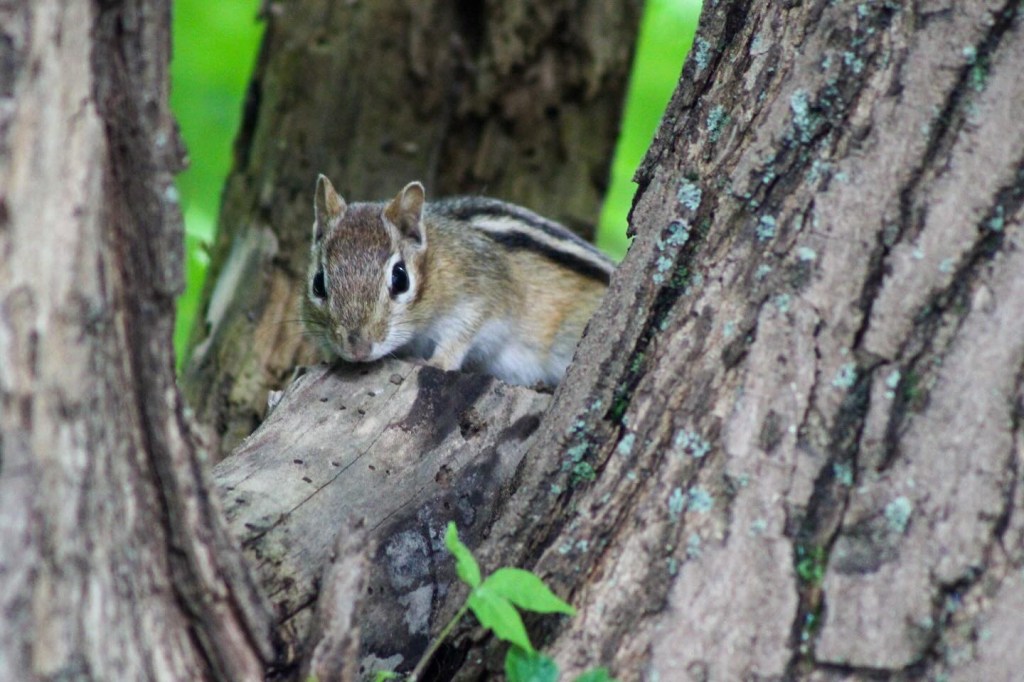
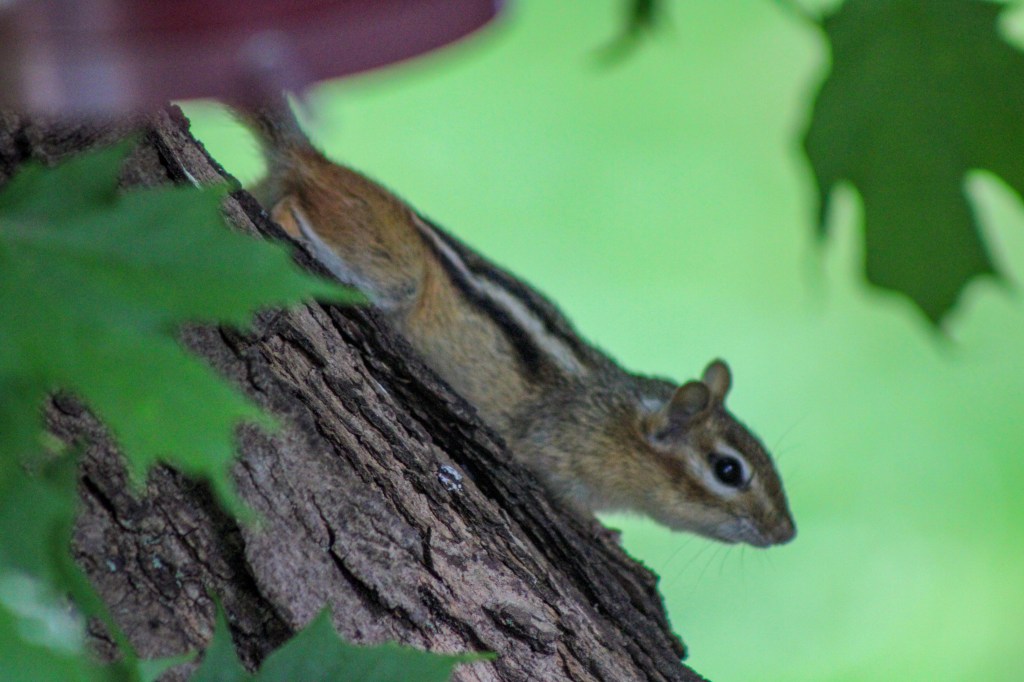
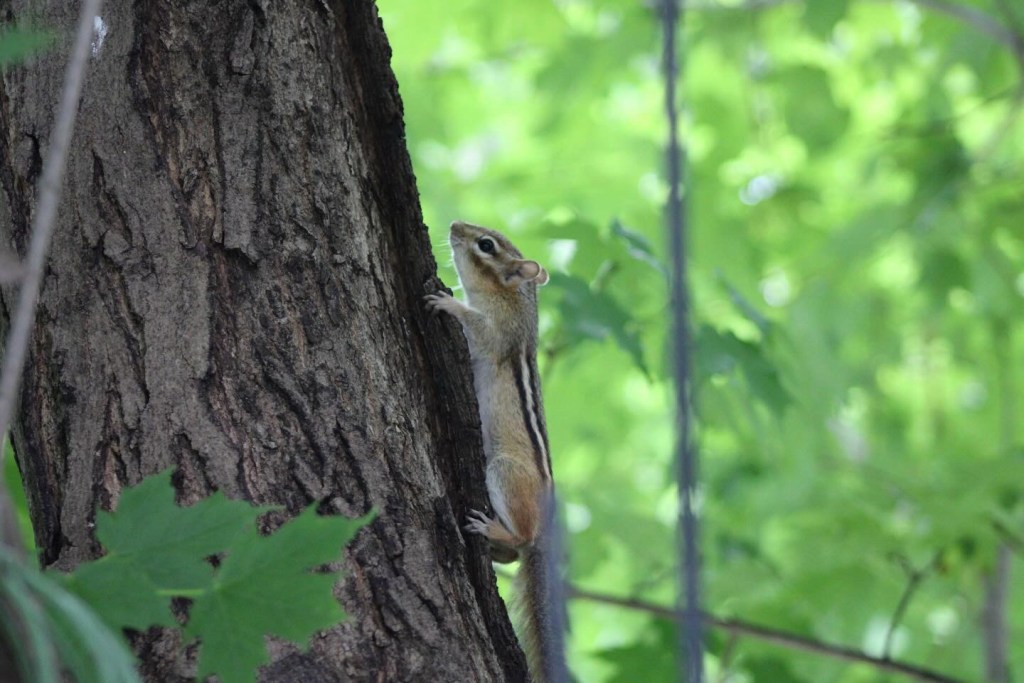
    If Alvin and the Chipmunks got one thing right, its that these critters are extremely vocal. When listening to the chatter in your backyard, you’re almost guaranteed to hear their much less melodic voices. Chipmunks use their shrilling transmissions to defend their territories and alert others of danger. These communicative tactics will change the behavior of other nearby chipmunk resulting in a cautionary approach to foraging. Males also have unique calls when competing with other males for territory and mates.

    Chubby Cheeks

    Chipmunks love to forage. Spending most of their free time gathering food, chipmunks will hoard it most of it for winter. They don’t “hibernate” but choose to sleep for most of the cold months, waking up periodically to munch on the excess grub. This food consists of; seeds, nuts, acorns, corns, berries and mushrooms. However, chipmunks have also been know to be a little bloodthirsty. With it’s wits and strong teeth they hunt; insects, bird eggs, snails and smaller rodents.

    Collecting food at the rate chipmunks do would seem pretty difficult without pockets or a bag to transport it. But our fuzzy friends have taken care of that issue. Chipmunks have elastic-like pouches in their cheeks that can expand to three times the size of its head. This gives them an ample amount of temporary storage to rob your bird-feeders dry. And as soon as you refill it, they will sniff out the fresh meal with their keen sense of smell.

    Subterranean in Style

    These diurnal rodents need a place to spend their nights, and to store their stockpiled snacks. Chipmunks build their homes by tunneling into the ground. Their burrows can have more than one entrance but typically consist of one main chamber. Sometimes, extra chambers are needed due to excess food, raising kits or escaping predators. Dirt floors aren’t a first choice for our ritzy rodents. Chambers will usually be lined with crushed leaves and other plants.

    When a home is established, females will have about one or two litters per year. Kits will only stick around for about two months before they are ready to move out. Chipmunks also don’t live with their mates and are usually solitary creatures. Hoarding hermits, holed-up heading for hibernation.

    Extroverted Introverts

    For an introverted species, chipmunks definitely have an extroverted personality. A polygamous love life, “chip chip chipping” all day, and invading foreign places for food, don’t really scream “leave me alone.” In their defense, a camouflaged coat to blend in and eat away the harsh winter sounds pretty nice.

  • The People’s Pompous Perception

    Human beings are an extremely intelligent and highly perceptive species. We are capable of engineering technology, advancing abstract mathematical and scientific theories, and conjuring sophisticated philosophical postures. These achievements allow us to explain natural phenomena and the complexities that come with them.

    However, our precocious perception has limits. And what we have done with these “limits” has put a cork in the potential of our species. Our arrogance has bottlenecked the vast unknown that is beyond current science. We have fabricated a man-made paradigm to make us feel empowered and safe, labeling everything outside of this as “supernatural”. But everything outside of that bubble is just a real as the person reading this.

    “Consequently, we have transgressed the boundaries of logic by creating a contradiction in nature that does not exist – the supernatural. This amorphous has supplied us the brush with which to paint in broad strokes every occurrence that cannot be explained by traditional scientific methods. It has emboldened its wielder with an ill-conceived conception of the cosmos from presumption rather than knowledge.”

    – Birthright, Timothy Alberino (pg 27, 28).

    A tree is something that we have classified as living, yet it’s perception of the universe is substantially different than ours. It does not breath like we do. It does not feel like we do. It does not see or hear like we do. In fact, the umwelt of a tree is essentially impossible to imagine. What we can determine is that a tree cannot perceive a human using a chainsaw. But that human with it’s chainsaw can still cut down the tree. Just because the tree is unable to perceive this does not change the fact that it has been cut. Its lack of perception does not dictate reality. It can be impacted by a force beyond its capacity to understand.

    An Invisible Microscopic Macrocosm

    An imperceptible aspect of nature was uncovered by humanity through the invention of the microscope. Before this revolutionary device, much of our understanding of now common knowledge was completely false. There was no comprehension that the human body was made up of cells. Nor that those cells held organelles which contained our genetic makeup, proteins, etc. Nor did we realize that everything is made up atoms – the fundamental building blocks of life.

    “Imagine a world where we could not identity disease-causing bacteria or cancerous cells? Pathology, bacteriology, even forensics and genetics, all owe a deep debt to the humble microscope. What began as a bead of glass for magnifying became the complex scopes that allow us to see even the smallest particles of our world!”

    -Seeing Small: How the Microscope Changed Everything, Ditrick Medical History Center.

    Before this tool, many diseases and illnesses were believed to be airborne, or spiritual attacks. We lacked the capabilities to observe the microscopic monsters that are germs and parasites. Today, this is common knowledge and the microscope is a common tool. Back then, it utterly shattered many of our false frameworks concerning; healthcare, botany, zoology, pathology etc. All of this came from an invention that heightened our sense of sight. This augmented sight lead to the veil of an invisible universe existing alongside us to be lifted.

    Sensory Overload

    Heightening our senses has lead to many discoveries and scientific breakthroughs that can expand our understanding of life. Now, let us think of the senses which humans lack. That we have been able to discover through observing the animal kingdom. Extrasensory capabilities that we lack as a species include; echolocation, electroreception, magnetoreception, infrared & polarized light vision.

    We are aware that these senses exist and have innovated ways to utilize them. We also must remember how heightening our sense of sight unlocked an existence invisible and foreign to us. What would heightening these senses to the level do for us? What senses are still unknown to us, and what would heightening these mystery senses do for us?

    “The world is full of magic things, patiently waiting for our sense to grow sharper.”

    – W.B. Yeats

    It is rational to believe that undiscovered senses are out there. But, scientifically speaking, any representation or manifest of such a phenomena would be quick to be labeled “supernatural”. So frequently are theories and concepts throne away by scholars because they do not conform to our scientific paradigm.

    Abstract Art is Still Art

    Quantum mechanics and physics is often times left alone. Although it is intimidating, it is a worthwhile concept to attempt to understand. It has presented our species with potential answers in theories like String theory and M-theory. These suggest our universe has more dimensions than we can perceive. We exist in three dimensions of space and one of time.

    At a surface level, it is hypothesized that multiple pockets of space, mirrored dimensions and other mathematically abstract dimensions exist. Essentially proving that theories of interdimensionality and planes of existence intertwining with one another are scientifically feasible. Regardless, in our current state of perception in the universe, this would be impossible to prove. Although many skeptics are out there, teams of scientists have proved the authenticity of these theories.

    Essentially, an international team of scientists wanted to see how un-classical particles of light could get—and the results were maybe stranger than the authors originally anticipated. This extremely technical experiment produced photons, or particles of light, that existed in 37 dimensions. Just as you and I exist in three dimension—plus an additional temporal dimension—these photons required 37 similar reference points.

    – Scientists Produced a Particle of Light, Darren Orf

    Another breakthrough that proves the existence of things beyond human conception has been the indirect observation of “dark matter”. Dark matter is invisible and cannot be directly observed by humans yet, according to esahubble.org, it is believe to make up the composition of 85% of all matter in the universe. That is an astronomical amount of existence that we have been unable to perceive.

    Everything is Created and Natural

    For too long human pride and arrogance has obstructed knowledge. We dismiss evidence-backed theories because they do not conform to the scientific framework that society has forged. Human perception is flawed and cannot answer everything that is unknown to us. There are external forces that we cannot conceive and that is okay. What is not okay is labeling it “supernatural” or “not real” because we don’t have the means to prove it to the group of people that controls academia.

    The more I study science, the more I am amazed by the complexity of the universe and the more I believe in the existence of a Creator.

    – Albert Einstein

    Beginning to authentically explore the interconnectedness of God, science, and the “supernatural” will help us explain the unexplained. Making sense of what we cannot perceive is impossible without the humility of knowing we may never truly understand.

    Side Note: Many thoughts and ideas that are articulated in this essay stem from thoughts and ideas that I gathered from the Blurry Creatures Podcast and Timothy Alberino’s book “Birthright”. I highly recommend both, especially to the spiritually curious, truth seekers, Christians, and those who believe that there is a lot more to life than what the rest of the world seems to think. Thanks for reading!

    Works Cited

    Alberino, Timothy. BirthRight. Alberino Publishing, 2020.

    “Dark Matter.” ESA/Hubble | ESA/Hubble, esahubble.org/wordbank/dark-matter/. Accessed 11 June 2025.

    Futterman, Allison. “The 5 Senses Animals Have That Humans Don’t.” Discover Magazine, Discover Magazine, 12 Oct. 2023, http://www.discovermagazine.com/planet-earth/the-5-senses-animals-have-that-humans-dont.

    “The Microscope.” Science Museum, http://www.sciencemuseum.org.uk/objects-and-stories/medicine/microscope. Accessed 11 June 2025.

    Orf, Darren. Scientists Produced a Particle of Light That Simultaneously Accessed 37 Different Dimensions, 3 Feb. 2025, http://www.popularmechanics.com/science/a63626808/37-dimensions-quantum-mechanics/.

    “Seeing Small: How the Microscope Changed Everything.” Dittrick Medical History Center, 26 Oct. 2017, artsci.case.edu/dittrick/2017/01/11/seeing-small-how-the-microscope-changed-everything/.
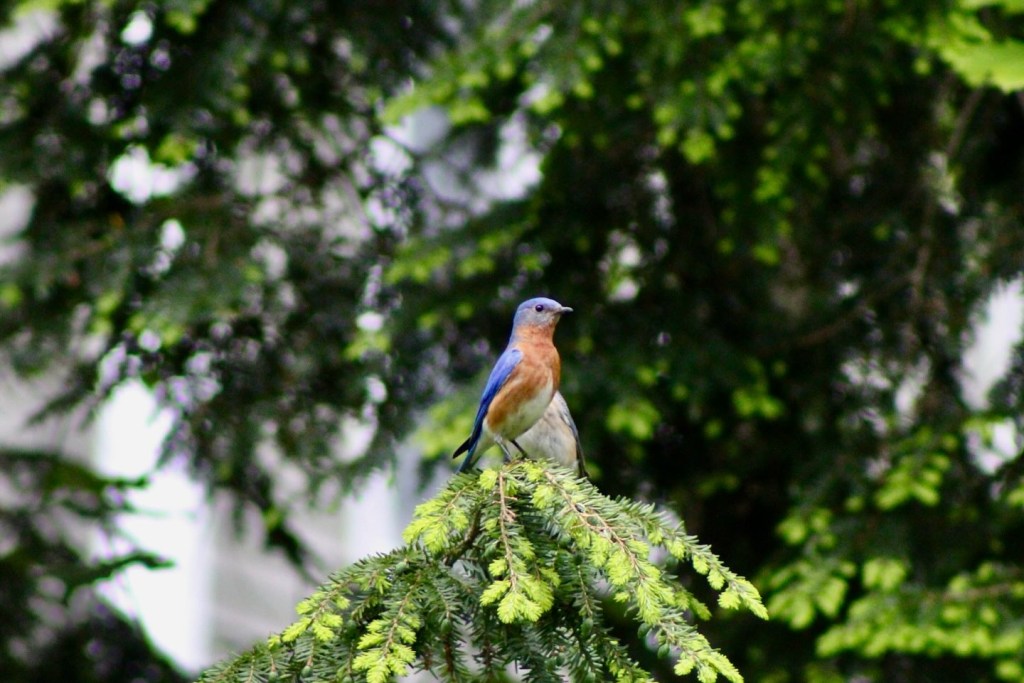
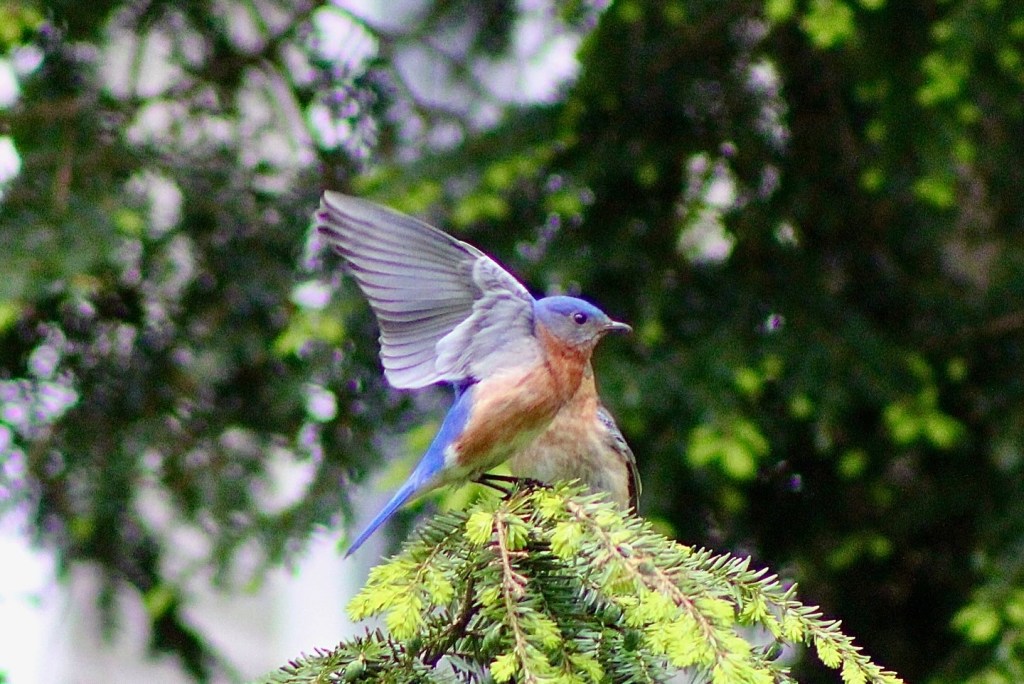
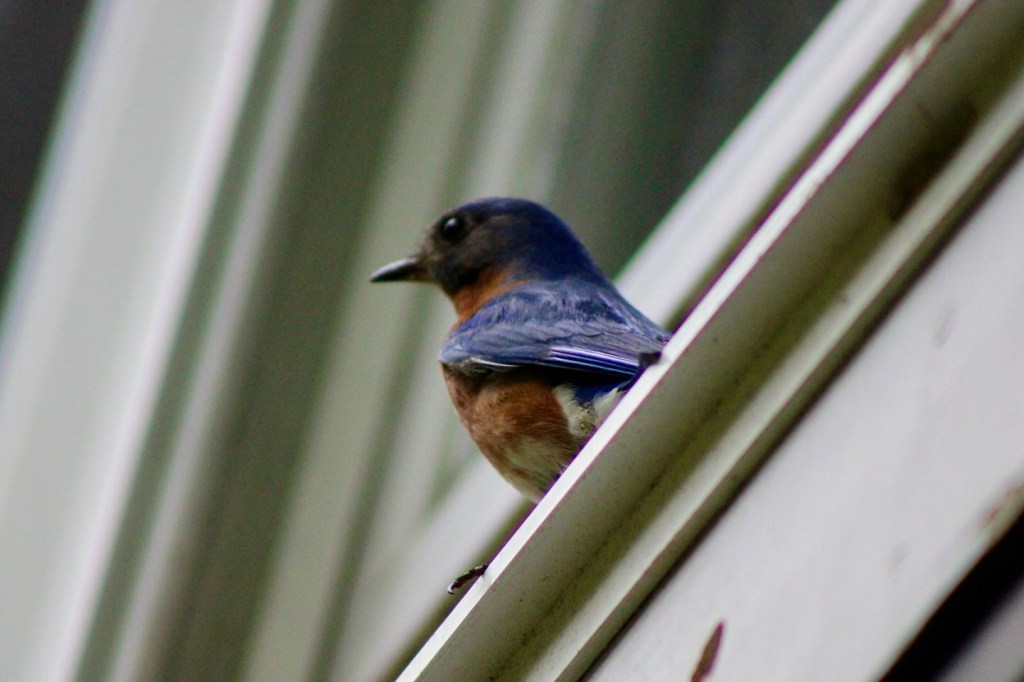
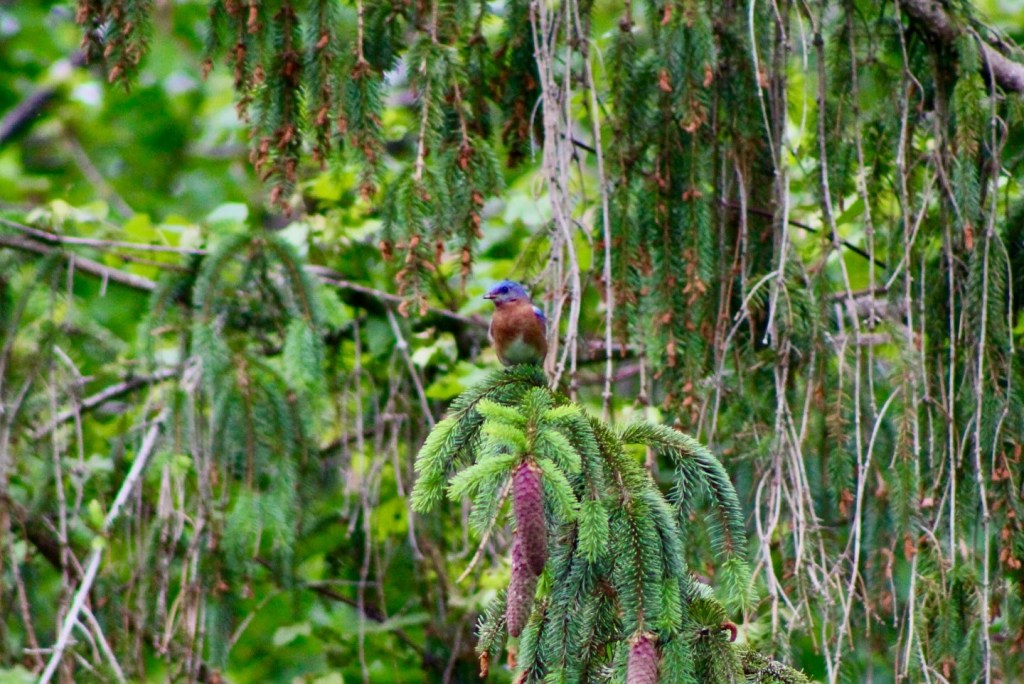
  • With spring wrapped up and summer arrived, the hustle and bustle outdoors is in full-swing. The animals are busy; some raising their young while others are stockpiling for winter already! And some, like this Eastern Bluebird, are busier than the rest.

    Bluebird flashing it’s wings while perched next to his mate

    Elegant Saboteurs

    The male Eastern Bluebird is easily identifiable and a fan favorite for many bird enthusiasts. It’s a vibrant orange/brown breast contrasts perfectly with an intense blue coat. These colors are at their most vibrant during mating season.

    On the other hand, the female Bluebird has a more humble expression of colors. Her breast is a subtler brown and her coat a softer blue-gray.

    Both sexes of Bluebirds are designed to be elegant and lethal – like ninjas in our own backyard. A bluebird has impeccable eyesight, allowing them to spot insects from 60 to 100 feet away. After locating it’s meal, it has a variety of maneuvers in its arsenal to execute a successful hunt.

    One method requires patience. The Bluebird will sit atop a perch, scanning and waiting. When an arthropod is within a suitable distance, it will stealthily swoop down and claim a helpless victim. But, the Bluebird’s diet does not just consist of helpless bugs. In fact, with their tactical procedures, unsheathed talons and agile movement, they have been observed subduing larger prey. This includes; tree frogs, salamanders, shrews and even snakes! (And when all else fails, they will happily settle for berries too.)

    On the flip side, a clever hunter like the bluebird is still in the middle of the food chain. Larger fauna like bobcats, house cats, chipmunks, hawks and raccoons will be glad to hunt Bluebirds. Other birds and even wasps will also battle our blue buddies due to their nesting habits.

    Family First

    A bachelor Bluebird can only win over a lucky lady if he can provide a home. Like this fella I observed, the male will bring nesting materials to a wooden cavity and start a courtship dance. He flies in and out, flashing his cerulean wings. Once he gets his girlfriend, they will become a monogamous pair for life.

    Bluebirds don’t actually build their own nests, as they are cavity nesting birds. This means that they bring materials to a pre-made, sheltered hole. This can be a hole in a tree from a previous resident, or a birdhouse. The female does most of the building while the male protects and finds food.

    Once the happy couple is all moved in, the female will lay multiple broods per year consisting of 3-7 eggs. After the eggs hatch, both parents will help raise the young. In the summer months, the nestlings can move out in as little as two weeks. If they are a late hatch, the youngsters will stay with their parents through the winter.

    Fan Favorite For A Reason

    The Eastern Bluebird and its vibrancy brings a lot of attraction to begin with. Their personality is almost as loud as their colors. You can watch them prowl around your yard, flying from tree to tree. And listen to them sing as they talk to their mate, warn their friends and defend their home. Additionally, the utility of controlling bug populations is a benefit we humans appreciate. We should all take some time to befriend our little, blue neighbors.

    Works Cited

    • Begazo, Alfredo. “Eastern Bluebird.” Avian Report, 4 June 2023, avianreport.com/eastern-bluebird/.
    • “Eastern Bluebird Overview, All about Birds, Cornell Lab of Ornithology.” Overview, All About Birds, Cornell Lab of Ornithology, http://www.allaboutbirds.org/guide/Eastern_Bluebird/overview. Accessed 6 June 2025.
    • “Eastern Bluebird.” NH Audubon, 20 Feb. 2024, stateofthebirds.nhaudubon.org/bird_database/eastern-bluebird/.
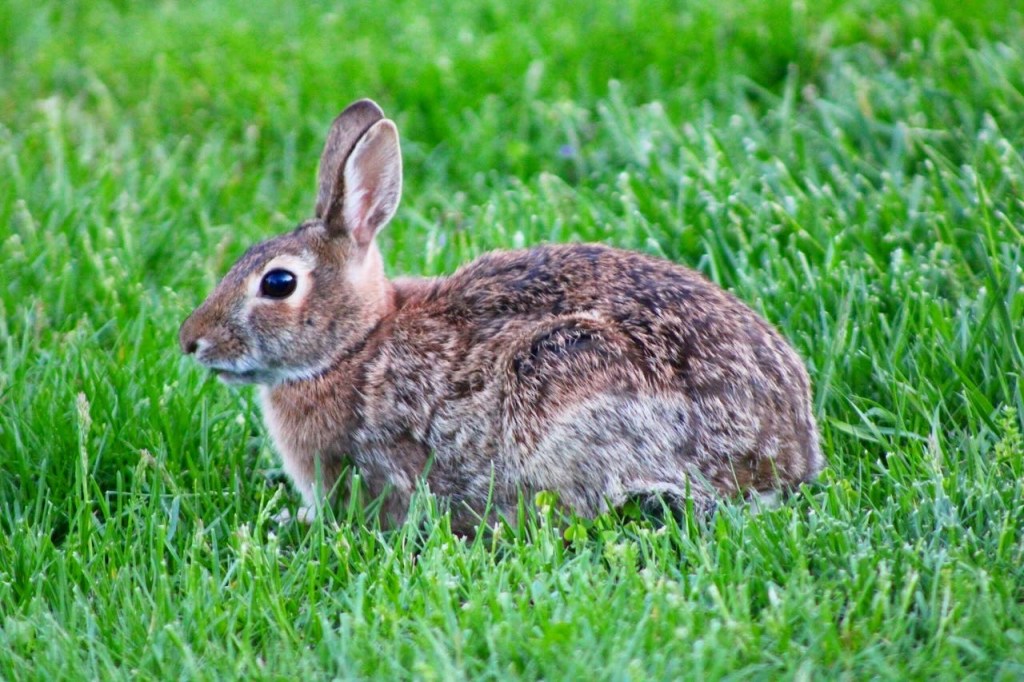
  • Spring has sprung, and the animals on the east coast are as active as ever! All over our yards, there are critters running, flying, and scurrying around after a long, cold winter. These fluffy fellas, in particular, emerge in abundance, and from my experience, seem to multiply quickly throughout the summer. There’s a good reason why they have a sophomoric expression referring to their mating patterns.

    Doppelgängers

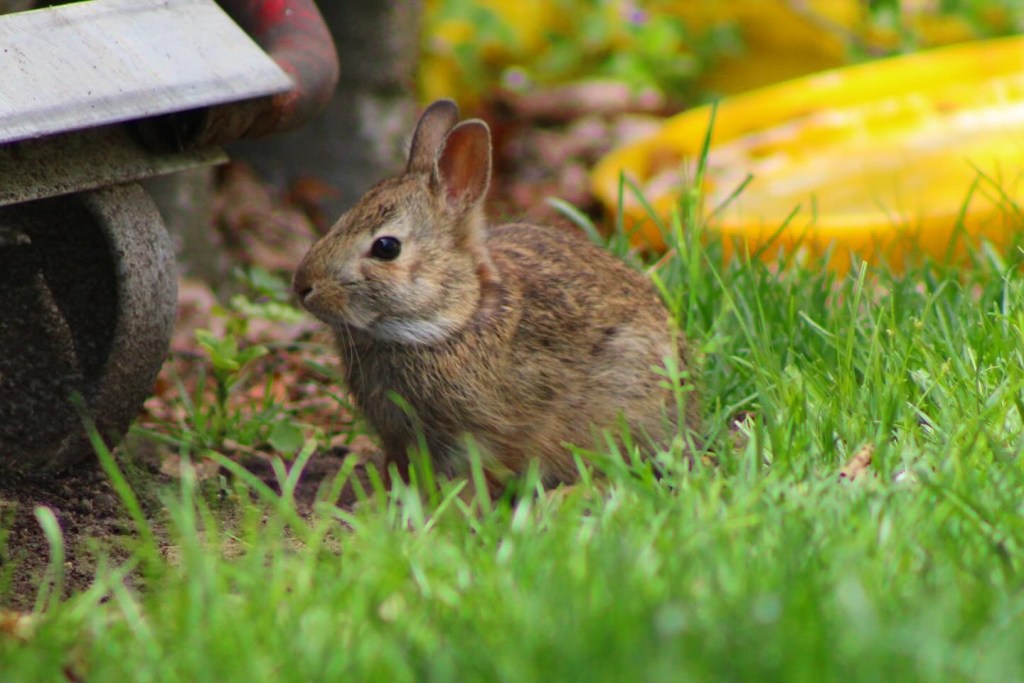
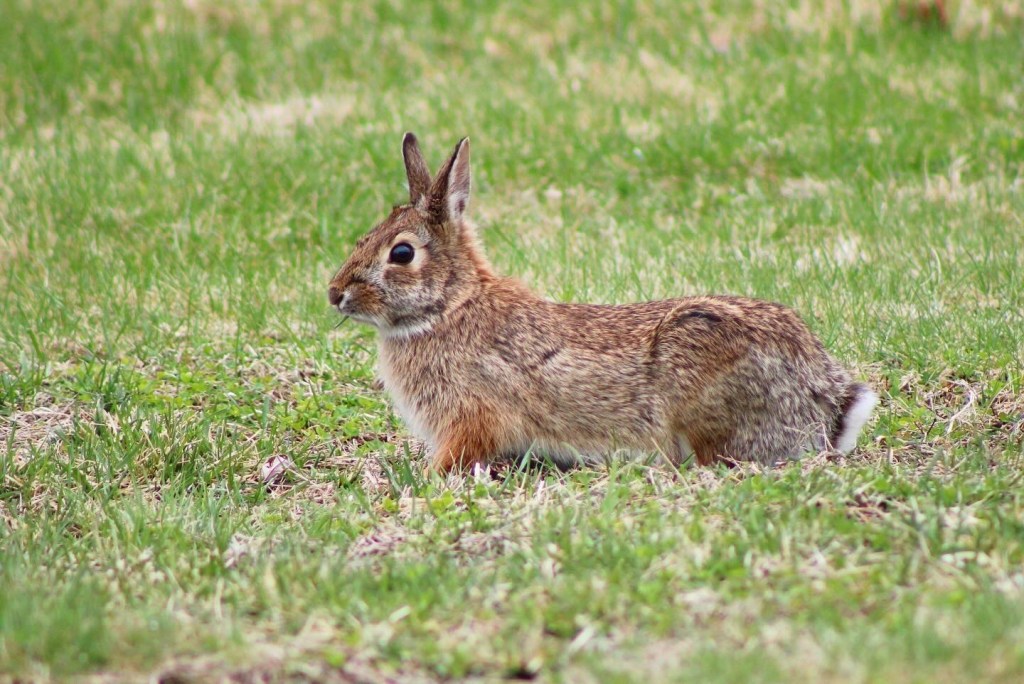
    Eastern Cottontails, or Sylvilagus floridanus, are not to be confused with their nearly identical look-alike species, the New England Cottontail. Although they share innumerable similarities, these species do not interbreed, but do compete for territory. Typically, the Eastern Cottontail is more likely to make its home away from the forest and natural cover due to its superior eyesight, which helps it evade predators and live within residential areas. The Eastern Cottontail is more likely to have a white dot on its head, but apart from that, there is almost no way to differentiate the two species by sight alone.

    Behaviors

    This fuzzy herbivore reproduces multiple times throughout the spring and summer months. Males will fight each other for mates and then “dance” with a female. Gestation periods are about a month long, and each litter contains 3-8 “kits.” Nearly half of these young “does” and “bucks” will die, but the others have a life expectancy of approximately two years.

    Building nests and burrowing underground to attempt a “predator-proof” home, the cottontails are typically nocturnal and like to forage during low-light hours. Woody parts of plants, such as twigs and bark, are not an uncommon part of their diet, but they will primarily stick to veggies, clovers, and fruits.

    Although less active, cottontails do not hibernate in the winter and remain active all year round. In the winter months, the cottontail may travel up to a mile away from its home to look for food. However, in its lifetime, it will most likely not venture outside of a 1.5-acre area.

    Resourceful Warriors

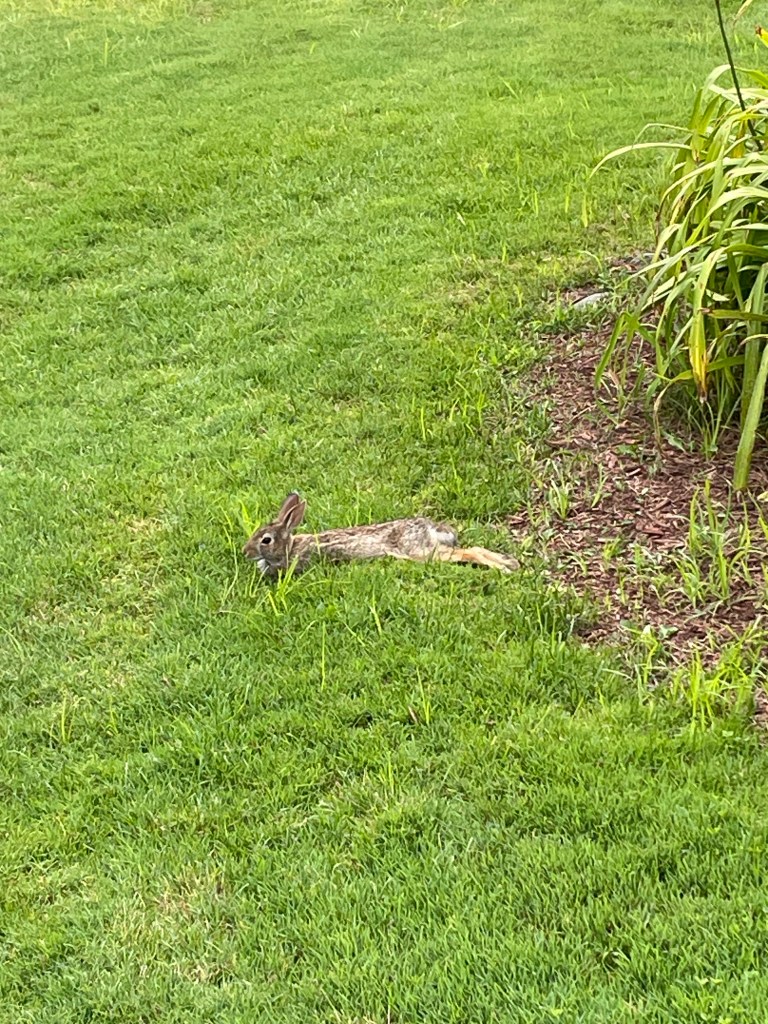
    This picture of a lounging friend watching my friends and I tee-off may not show it, but generations of fighting for survival has made a species of fierce warriors. Their resourcefulness knows no boundaries.

    For example, if needed, they will invade other animals burrows, like woodchucks, skunks and foxes, to avoid predators. On the flip side, their territoriality incites violence for anything willing to infiltrate their homes.

    Most of their life is dedicated to avoiding predators and the sheer population makes them a prime, protein-packed target for hungry carnivores. Our little friends will stand up on their hind legs to listen for hunters and use vocalizations to warn their community of danger. When being chased, cottontails can dash at speeds around 18 mph. They instinctively run in zig-zags which confuses predators and throws off their scent patterns. Despite being equipped with this evasiveness, predatory encounters are often avoided due to their impeccable camouflage.

    To drive home this point of resourcefulness, cottontails are coprophagous. They eat poop. Whether it’s their own or another animals they can consume feces for additional resources. You may think of yourself as resourceful, but when it comes down to it, would you eat poop? Probably not.

    Bunnies Are Badass

    To us, bunnies are just another animal that we see out our backdoor or that our dogs chase into the woods. But life as an eastern cottontail is one of constant survival. Little warriors that fight for and defend their homes, who are constantly hunted by giants that can scoop them up into the air or end their life with a snap of the jaw. And when all else fails, they are willing to look death in its eyes and fight back. They are fearless and play to their strengths. A very admirable way of life.

    Sources Cited

    “Comparing Cottontails.” NH Rabbit Reports, 6 Dec. 2021, http://www.nhrabbitreports.org/species/comparing-cottontails. 

    “Cottontail Rabbits.” Mass Audubon, http://www.massaudubon.org/nature-wildlife/mammals-in-massachusetts/cottontail-rabbits. Accessed 14 May 2025. 

    “Eastern Cottontail – Sylvilagus Floridanus – Natureworks.” New Hampshire PBS, nhpbs.org/natureworks/easterncottontail.htm. Accessed 14 May 2025. 

  • Reconnecting with Nature: Combatting Modern Distractions

    Many of us are quickly distracted by the whirlwind of chaos that engulfs society every day. From political turmoil to social media brain rot, from stale corporate jobs to the expectations of immediate communication – we have all succumbed, in one way or another, to the chaotic grasp of human civilization. All of this could cease to exist tomorrow, and the earth would keep on spinning. We are so eager to forget what is truly important and how beautiful the world is around us.

    APM Research Lab conducted a survey in 2019 involving 1000 US adults. It found that 73% of people spend free time in nature once a week or less. Additionally, 31% do it less than once a month or never. The biggest factor that they reported preventing them from going outside was their job. The second largest factor was: “nothing keeps me from going outside more”.

    We have developed a culture that distracts us from the natural world and encourages us to stray from it. We have developed an attitude of neglect toward earth. We lack appreciation for what provides us the necessities we need as a species to simply exist.

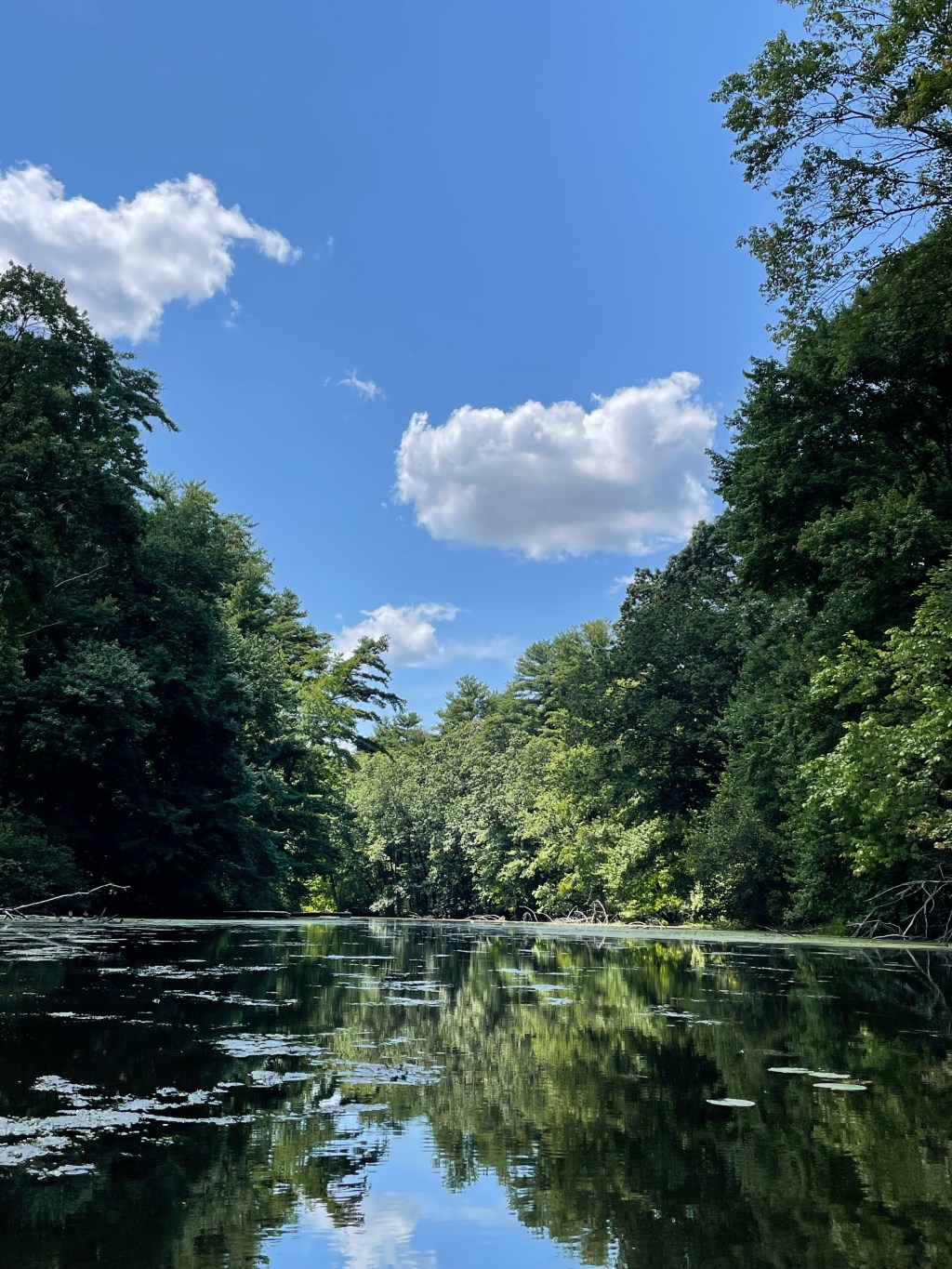
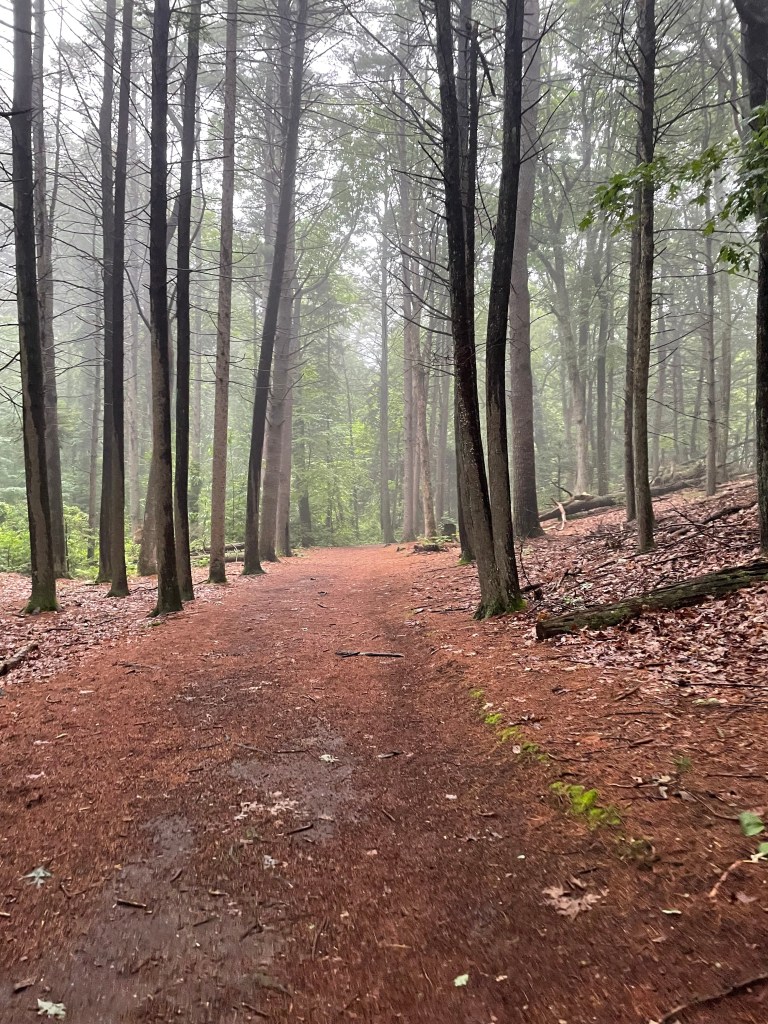
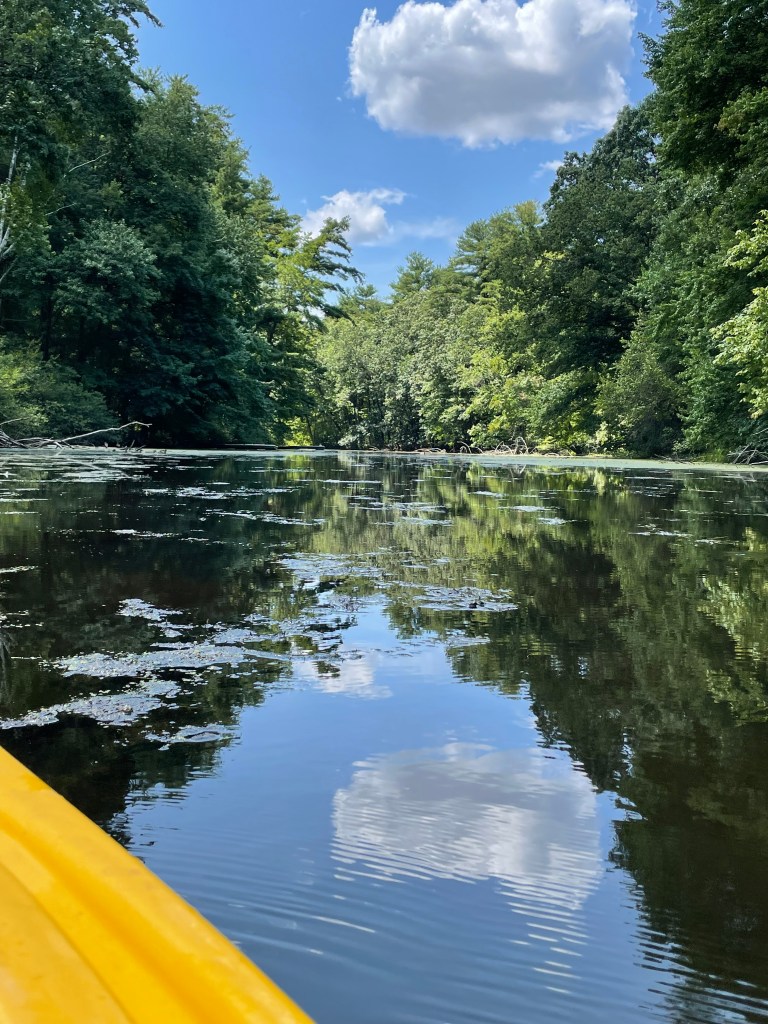
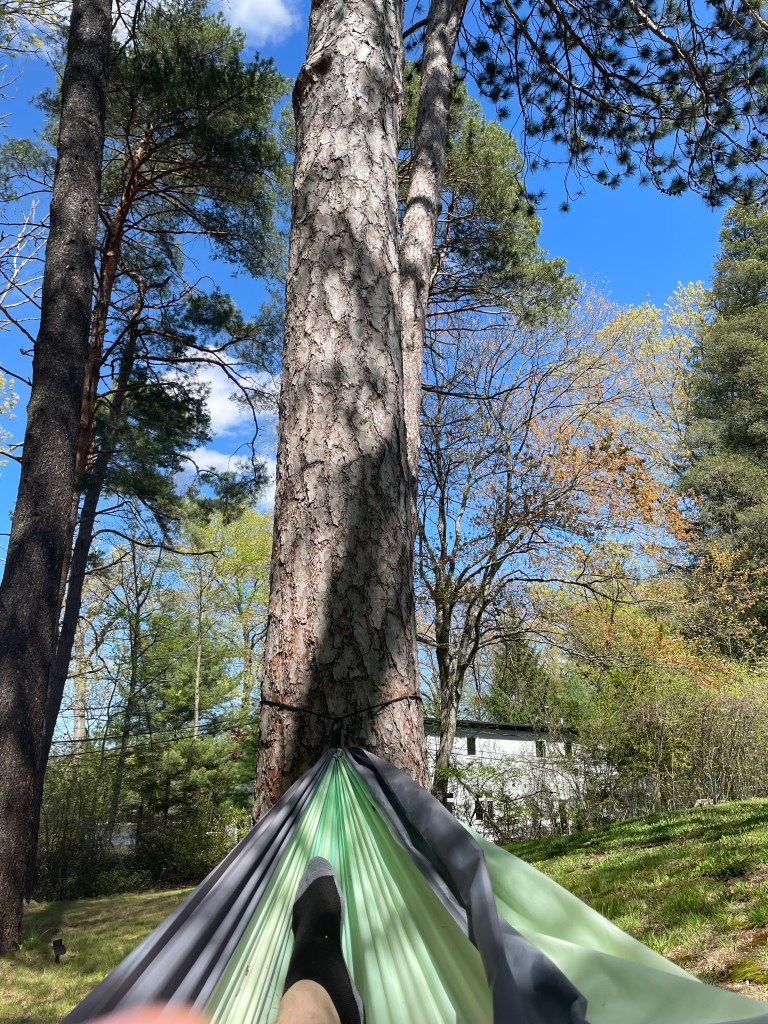
    Nature withstands the test of time, and even more challenging; the test of mankind. This blog aims to bring back a deeper appreciation for the diverse environments and different realms of existence that can be found just by stepping outside. Nature circumvents the illusion that our society has perpetuated onto us all. It remedies our minds, bodies and souls, it connects us to an eternal cycle of energy, it is consistently evident of intertwined apparatuses of intelligent design, and even offers a lense into altered realities from our own. Whether its a walk in the park, an open field, the woods or the beach, it’s important to spend time in the real world.

    Health Benefits of Nature
    Physical Health:
    • Spending time in nature requires some sort of physical activity, which improves cardiovascular health, lowers blood pressure, and reduces the risk of heart disease.
    • Natural sunlight exposure assists your body in maintaining its natural circadian rhythm, which results in a healthier sleep schedule and better quality sleep.
    • Additionally, sunlight grants us higher vitamin D levels, resulting in a stronger immune system, healthier bones, and better blood health.
    • Activity outdoors also improves cortisol levels, alleviating stress, and relieves muscle tension.
    Mental Health:
    • Nature reduces risks and alleviates symptoms of conditions like anxiety and depression.
    • It enhances cognitive function, improving attention and concentration.
    • Natural sunlight, fresh air, and time spent around flora and fauna are shown to improve mood and outlook on life.
    • Children who spend more time in nature have been found to have a lower risk of mental health disorders later in life.
    • Nature can bring humans together through social activities in parks, hiking trails, etc.
    Spiritual Health:
    • Observing the intelligent design of each ecosystem, and the organisms, within can bring us closer to our Creator.
    • A sense of belonging and matter comes with feelings of connection to nature. “Grounding” (taking one’s shoes off and standing in grass or dirt barefoot) has been proven to be a meditative method to experience a better connection to the environment around you.
    • Sunlight and non-polluted oxygen fill us with energy and release endorphins.
    • The physical world operates in an eternal energy cycle we will always be a part of – nature reconnects us with that.

    New Perspectives

    Umwelt – the world as it is experienced by a particular organism (according to Oxford dictionary).

    Umwelt/Umwelten is a term I recently familiarized myself with during my reading of “An Immense World” by Ed Yong. It was introduced back in 1909 by zoologist Jakob von Uexküll. The term refers to how an organism perceives the world, based on that organism’s own experiences, senses, and thoughts. As humans, we are able to use our reason, rational thought, and imagination to attempt to conceptualize this phenomenon. We often fall short because we cannot imagine what it is like to have another species’ unique experiences and senses. This concept is something that helped inspire this blog as it shows how complex a species can be. Without the intricacy of each animal’s capabilities and adaptations, our ecosystems would not work.

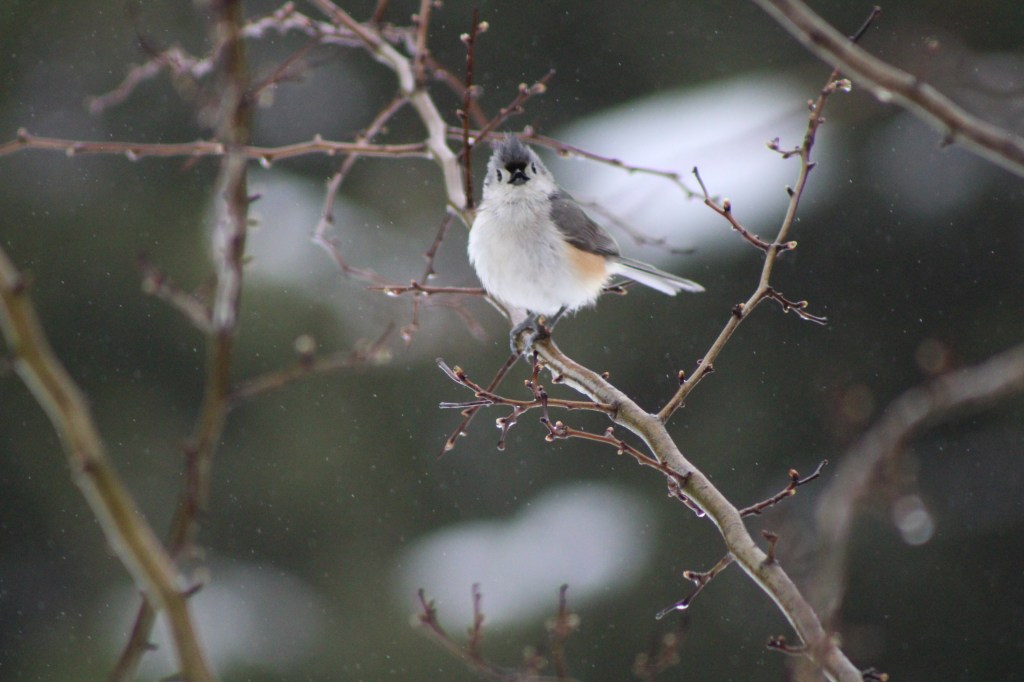
    Take this tufted titmouse for example. Birds like this have tetrachromatic vision. This enables them to see colors beyond our capacity to imagine, and is important for choosing mates and hunting prey. They also have specialized vocal organs to produce their unique songs.

    Many frogs have infrared vision to see heat and sense chemicals in the air in order to detect predators. Coyotes’ senses are much more heightened than ours. They can hear higher frequencies over longer distances. Their sight is optimized for night vision. Their sense of smell is over ten times stronger than our own. All of which are used to navigate their environment and hunt prey over long distances and time periods.

    Every species around us sheds a different, fascinating perception into our world. The world works in many different ways than that of human civilization. Even at this point in our journey as a species, the “umwelt” of humans who have never experienced our technology and society is so drastically different from ours that governments had to make laws preventing people from going there. (Look up North Sentinel Island, for example.)

    These people have seen our technology and destroyed it. Although that is an extreme concept, I think it could symbolize something greater. We were not created to be caged in office buildings with artificial lighting and staring at screens for the majority of our lives. Everything we need to survive can be found naturally, yet we have given all the value and attention to what is artificial. What is fake has become real, and what is real has been pushed aside for what is fake. We shouldn’t throw away everything we have become. Yet, I believe we should at least find a deeper appreciation for what is real, especially with what can be found right outside your window.

    Resources Cited
    • “How Often Do Americans Spend Free Time in Nature?” APM Research Lab, The Water Main, 7 July 2019, http://www.apmresearchlab.org/nature.
    • Yong, Ed. An Immense World: How Animal Senses Reveal the Hidden Realms around Us. Random House, 2023.
    • “Tufted Titmouse.” American Bird Conservancy, 3 Sept. 2020, abcbirds.org/bird/tufted-titmouse/.
    • “3 Ways Getting Outside into Nature Helps Improve Your Health.” UC Davis Health, UC Davis Health, 27 Nov. 2024, health.ucdavis.edu/blog/cultivating-health/3-ways-getting-outside-into-nature-helps-improve-your-health/2023/05.