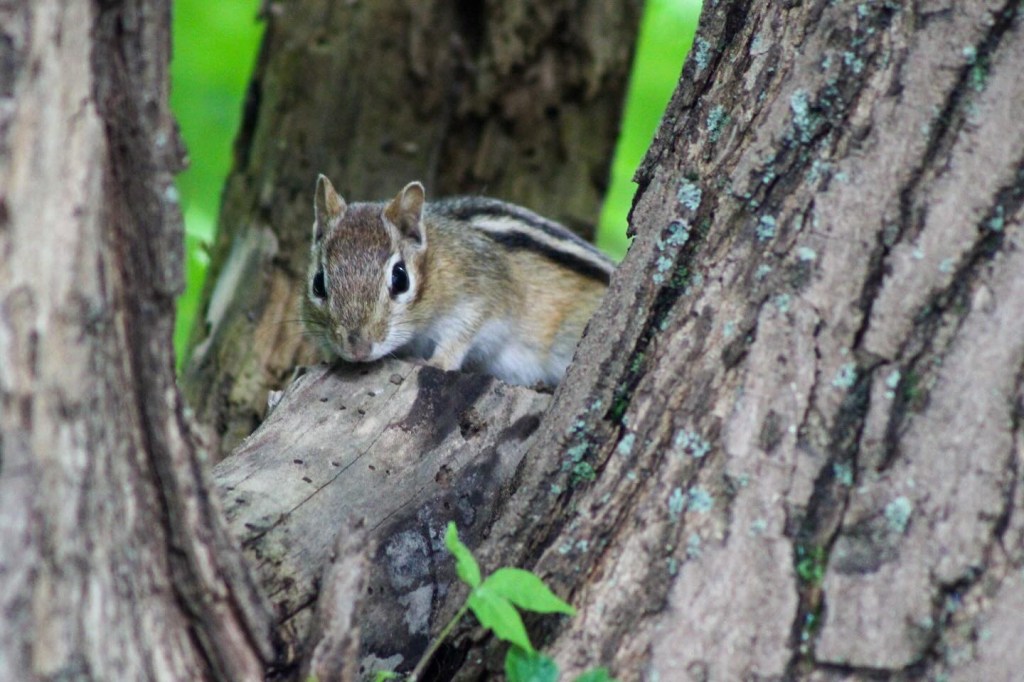
Chipmunk Chit-Chat
If Alvin and the Chipmunks got one thing right, its that these critters are extremely vocal. When listening to the chatter in your backyard, you’re almost guaranteed to hear their much less melodic voices. Chipmunks use their shrilling transmissions to defend their territories and alert others of danger. These communicative tactics will change the behavior of other nearby chipmunk resulting in a cautionary approach to foraging. Males also have unique calls when competing with other males for territory and mates.
Chubby Cheeks
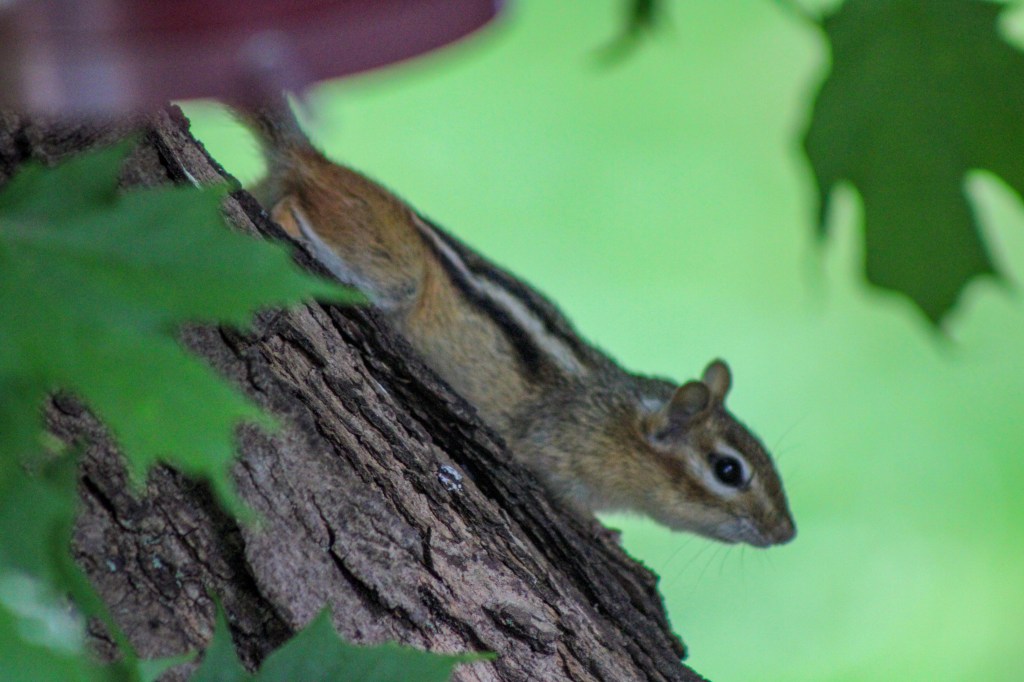
Chipmunks love to forage. Spending most of their free time gathering food, chipmunks will hoard it most of it for winter. They don’t “hibernate” but choose to sleep for most of the cold months, waking up periodically to munch on the excess grub. This food consists of; seeds, nuts, acorns, corns, berries and mushrooms. However, chipmunks have also been know to be a little bloodthirsty. With it’s wits and strong teeth they hunt; insects, bird eggs, snails and smaller rodents.
Collecting food at the rate chipmunks do would seem pretty difficult without pockets or a bag to transport it. But our fuzzy friends have taken care of that issue. Chipmunks have elastic-like pouches in their cheeks that can expand to three times the size of its head. This gives them an ample amount of temporary storage to rob your bird-feeders dry. And as soon as you refill it, they will sniff out the fresh meal with their keen sense of smell.
Subterranean in Style
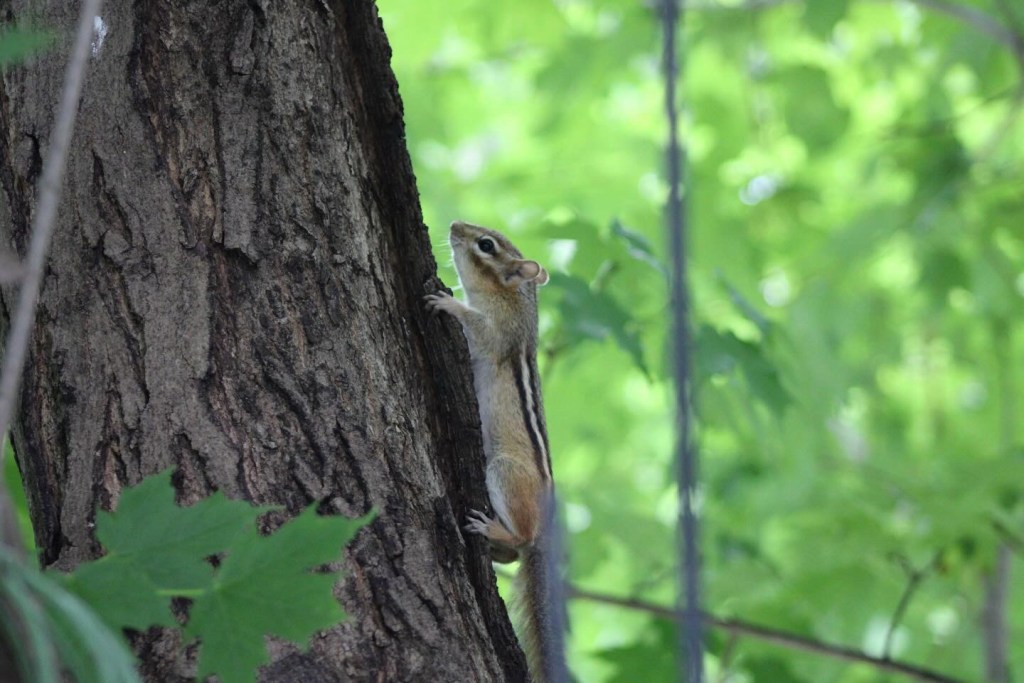
These diurnal rodents need a place to spend their nights, and to store their stockpiled snacks. Chipmunks build their homes by tunneling into the ground. Their burrows can have more than one entrance but typically consist of one main chamber. Sometimes, extra chambers are needed due to excess food, raising kits or escaping predators. Dirt floors aren’t a first choice for our ritzy rodents. Chambers will usually be lined with crushed leaves and other plants.
When a home is established, females will have about one or two litters per year. Kits will only stick around for about two months before they are ready to move out. Chipmunks also don’t live with their mates and are usually solitary creatures. Hoarding hermits, holed-up heading for hibernation.
Extroverted Introverts
For an introverted species, chipmunks definitely have an extroverted personality. A polygamous love life, “chip chip chipping” all day, and invading foreign places for food, don’t really scream “leave me alone.” In their defense, a camouflaged coat to blend in and eat away the harsh winter sounds pretty nice.
 Our Backyard Universe
Leave a comment